Most founders don’t struggle because they can’t find talent. They struggle because they hire at the wrong moment — for the wrong reason.
There are two dangerous hiring triggers:
1️⃣ Panic hiring You’re overwhelmed. Things are slipping. So you hire fast to “fix it.” But the role isn’t defined. Outcomes aren’t clear. And now you’ve multiplied the chaos.
2️⃣ Ego hiring Revenue grows. The team expands. It feels like the next logical move. But the role doesn’t create leverage. It creates complexity.
The right time to hire isn’t when you’re exhausted.
It’s when:
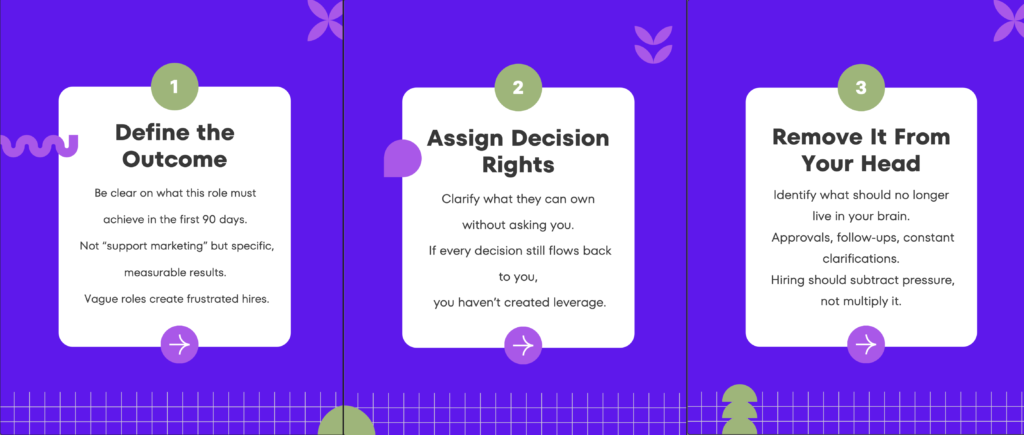
• You can define the outcome clearly • You can delegate real decision rights • You know exactly what should leave your plate
Hiring should reduce pressure, not temporarily distract you from it.
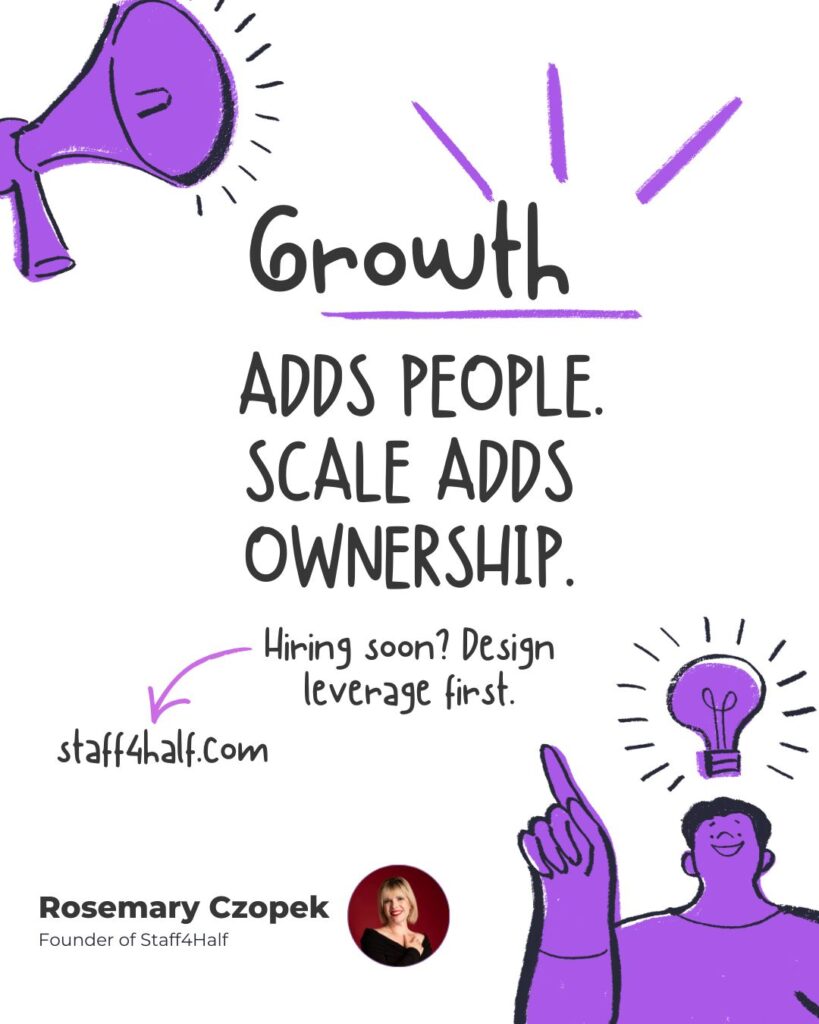
The goal isn’t growth for the sake of growth.
It’s building something that scales without breaking you.
If you’re thinking about hiring this quarter, ask yourself:
I didn’t build Staff4Half because the world needed another staffing agency.
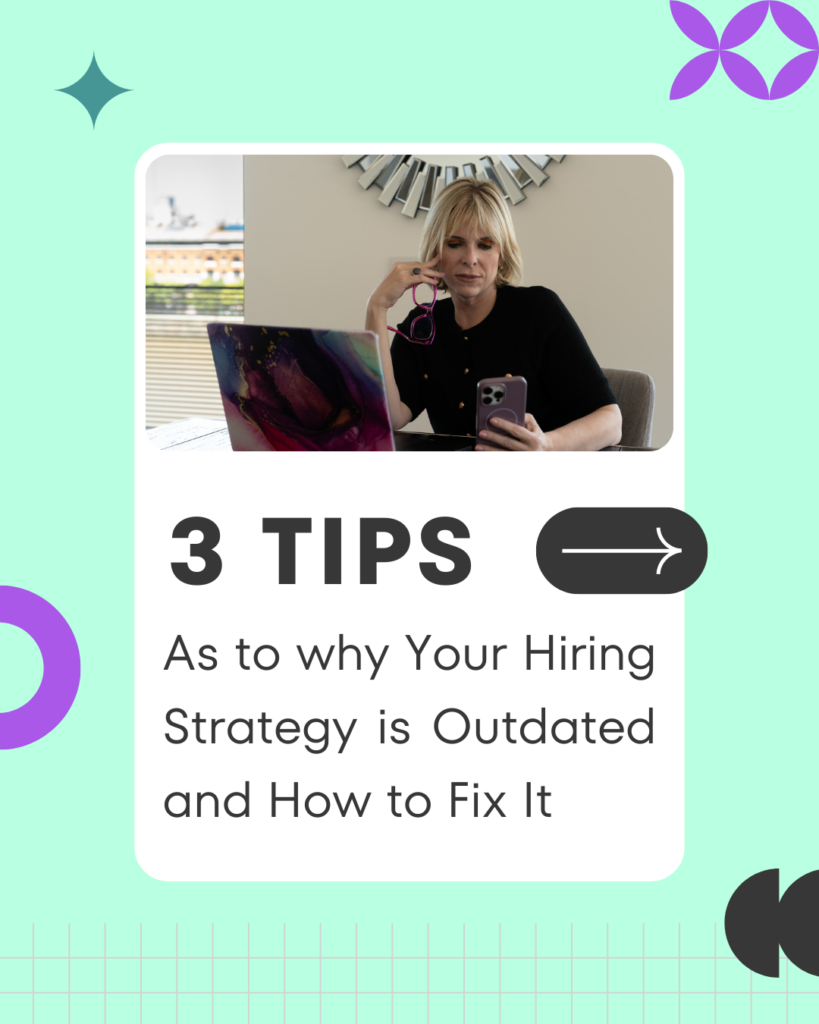
I built it because hiring has fundamentally changed — and most founders are still using old rules.
Ten years ago, hiring was simpler.
Post a job. Review resumes. Interview a few candidates. Make an offer.
Today?
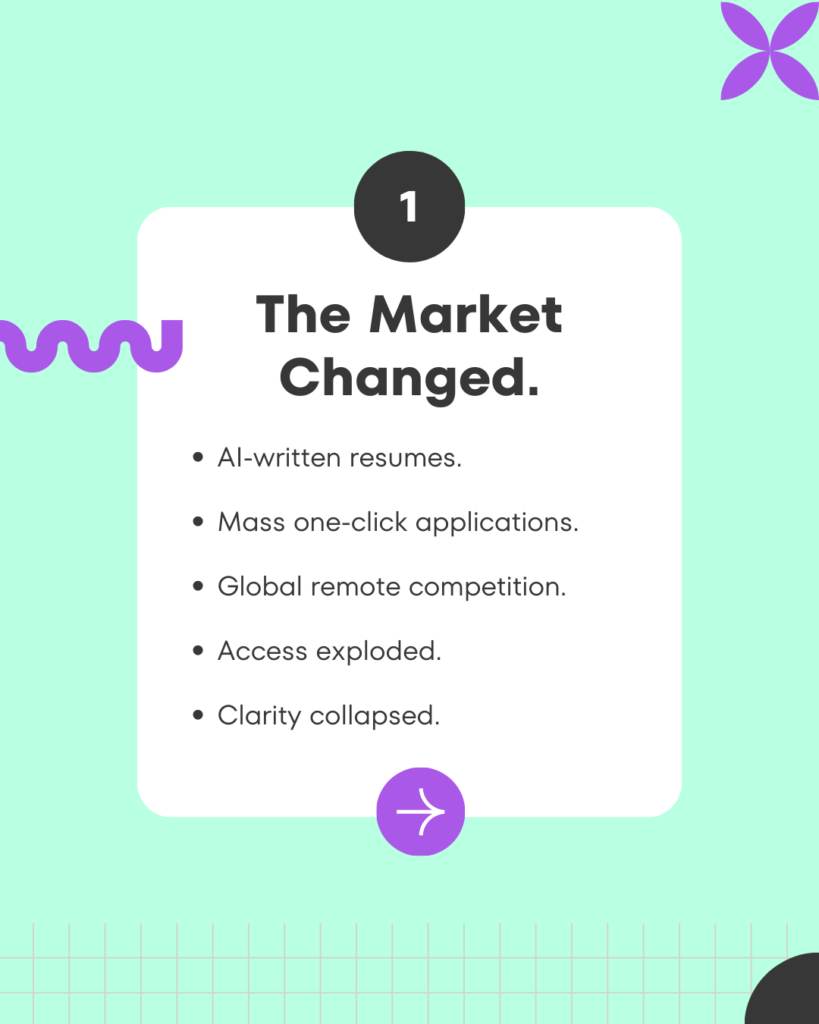
Resumes are AI-polished. Candidates apply to 200 roles in a click. Skills shift faster than job titles. Remote expands the talent pool — and the noise.
And founders are overwhelmed.
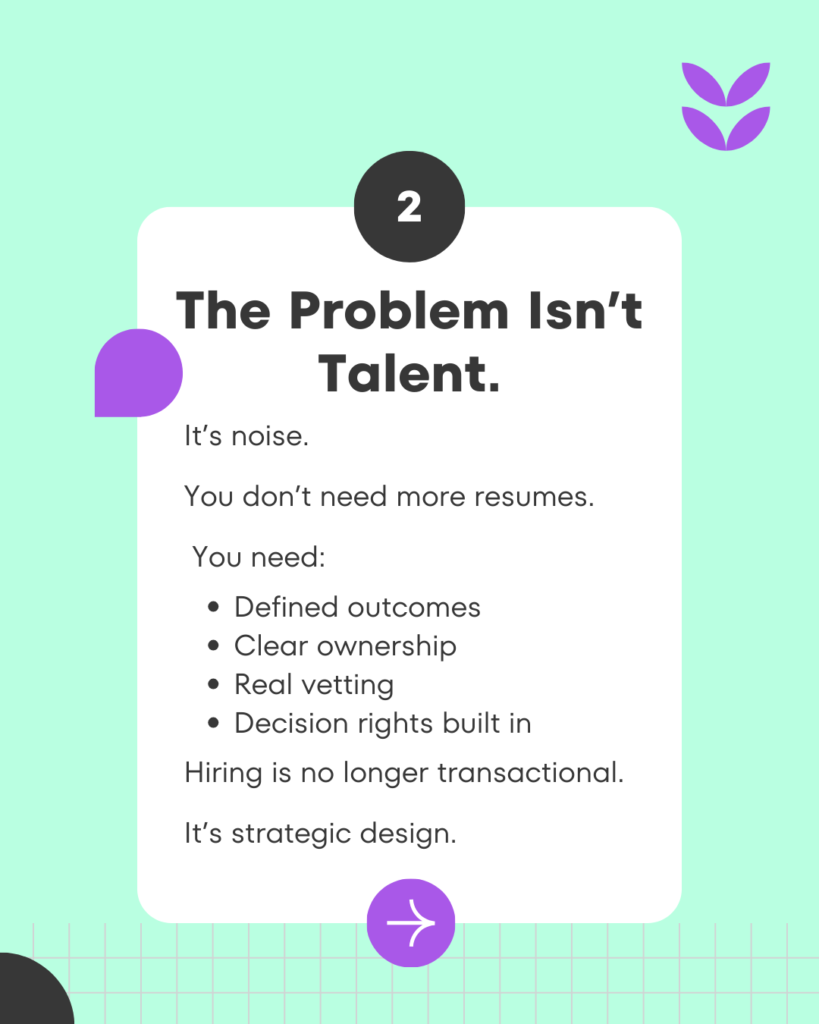
The problem isn’t access to talent. There’s more access than ever.
The problem is signal vs. noise.
It’s knowing:
• Who can actually think, not just execute • Who can own outcomes, not just complete tasks • Who fits your pace, standards, and leadership style
Hiring has moved from transactional to strategic.
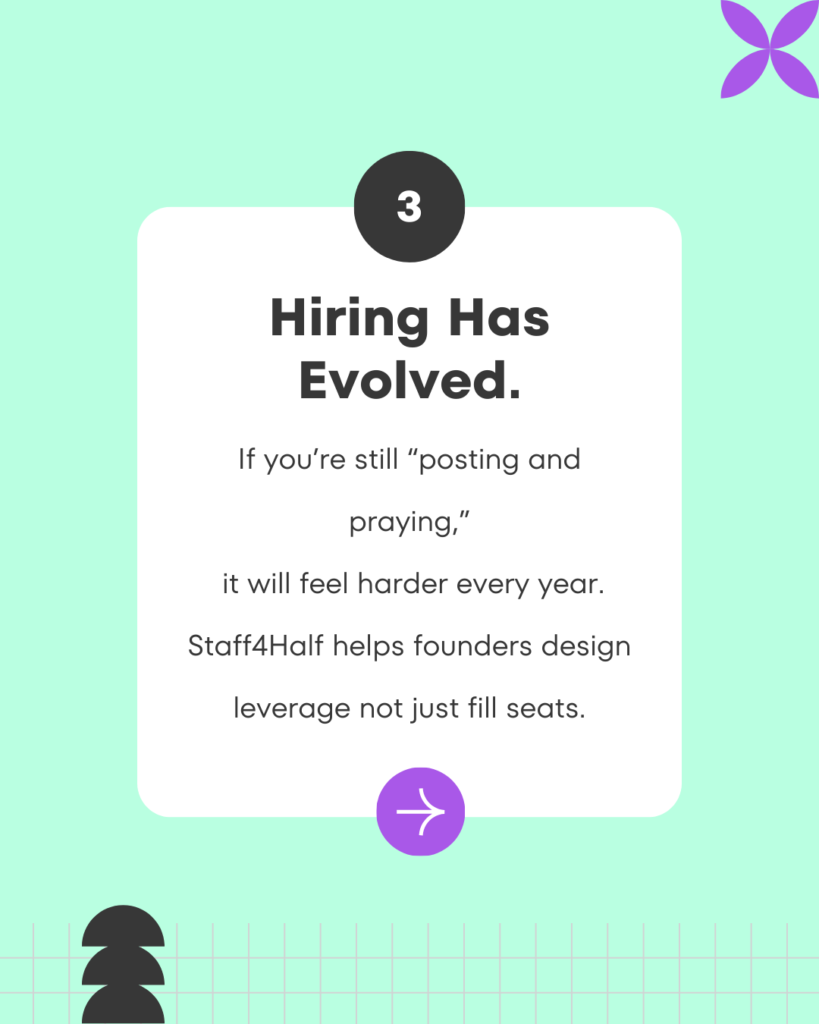
It’s no longer about “filling a seat.” It’s about designing leverage in a world where information is infinite and attention is scarce.
That’s why I built Staff4Half.
Not to send resumes.
But to help founders:
• Define what they truly need • Clarify ownership and outcomes • Vet beyond surface-level credentials • Design roles that actually create relief
Because the old hiring model creates more activity.
The new hiring model creates scale.
And if you’re still hiring the old way, it’s going to feel harder every year.
EP 05: How To Build a High Trust Remote Team as a Founder With Felena Hanson
This week I sit down with Felena Hanson, Founder of Hera Hub, to talk about what founders often get wrong about remote leadership.
We unpack:
– Why trust is not a personality trait, it’s a design decision – The difference between accountability and control – How to create connection without micromanaging – What high-performing remote teams actually need from their founder
One of my favorite takeaways: High trust doesn’t mean “hands off.” It means clear expectations, strong communication rhythms, and real ownership.
If you’re building remotely (or thinking about it), this conversation will challenge how you define leadership.
🎧 Listen now on Spotify, Apple Podcasts, or wherever you stream.
And let me know what’s been the hardest part of leading remotely for you?
Every week I hear: “There’s no good talent.” “Everyone we interview feels average.” “We just can’t find the right person.”
But when we audit the role?
It’s vague. It’s overloaded. It’s reactive. And it’s built around relieving pressure — not creating ownership.
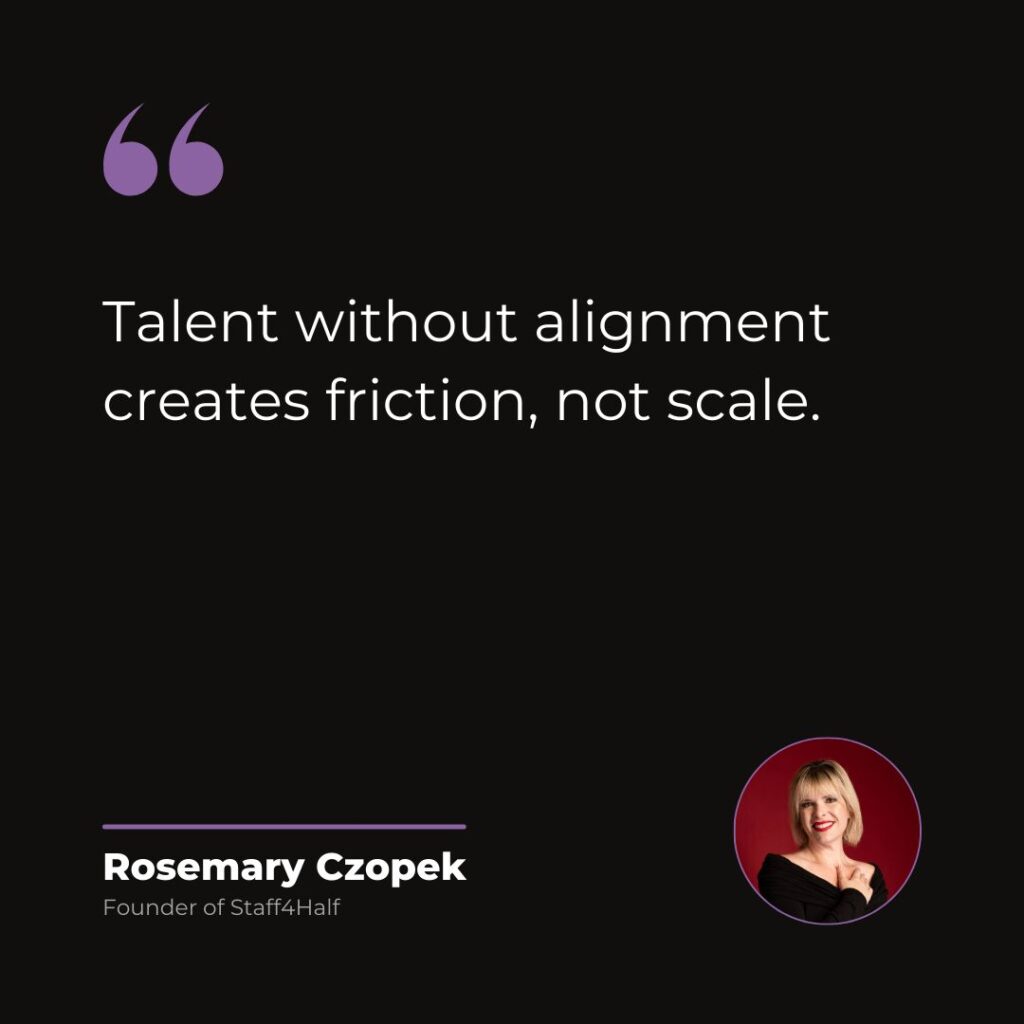
High performers don’t apply to chaos. They apply to clarity.
They want to know: • What exactly am I accountable for? • What does success look like in 90 days? • What decisions can I make without permission? • How does this role move the company forward?
If the role sounds like: “Jump in and help wherever needed…”
You’ll attract helpers.
If the role sounds like: “Own and optimize our sales pipeline to increase close rates by 20%…”
You’ll attract operators.
The market responds to how you position the opportunity.
The best candidates are not just choosing a paycheck. They’re choosing leadership. They’re choosing structure. They’re choosing a future.
Before you say “talent is hard to find,” ask yourself:
The most dangerous word in a growing company isn’t “no.”
It’s “yes.”
Yes to one more client. Yes to one more feature. Yes to one more hire. Yes to one more “quick favor.”
At first, it feels like momentum.
But unchecked “yes” creates: • diluted focus • confused teams • overwhelmed leaders • and blurred standards
Growth doesn’t usually break companies. Overcommitment does.
Mature businesses aren’t built on how much they can say yes to. They’re built on disciplined restraint.
The founders who scale well ask different questions: Is this aligned? Does this strengthen our core? Do we have the capacity to do this well? What are we saying no to by saying yes?
Clarity isn’t just about direction. It’s about boundaries.
The strongest teams I’ve worked with don’t chase every opportunity.
Later is where small misalignments turn into culture problems. Later is where top performers quietly disengage. Later is where founders wake up wondering how things got so messy.
The truth? What you tolerate today becomes tomorrow’s norm.
• A missed deadline you don’t address. • A client boundary you don’t reinforce. • A role you know isn’t clearly defined. • A team member who’s overwhelmed but says “I’m fine.”
None of these explode overnight. They compound.
Strong companies aren’t built on grand strategy alone. They’re built on small corrections made quickly.
The best leaders I know don’t avoid tension. They shorten the time between noticing and addressing.
Not aggressively. Not emotionally. Just clearly.
If something feels slightly off right now, it probably is.
The question isn’t “Can we live with this?” It’s “Do we want this to become the standard?”
What you fix early becomes strength. What you delay becomes friction.




Recent Comments