Month: March 2026

EP. 05: Building High Performance Team in Federal Grant and Compliance

In this episode, Rosemary sits down with Carmen Melly to explore the leadership, resilience, and strategic thinking required to build and lead in complex, fast-moving environments.

Carmen shares her journey through the world of business and leadership, reflecting on the pivotal moments that shaped how she approaches decision-making, team building, and long-term growth. From navigating professional challenges to developing the confidence to lead with clarity, she offers a candid perspective on what it truly takes to evolve as a leader.

Throughout the conversation, Carmen discusses the importance of trust, ownership, and creating environments where people can perform at their highest level. She also reflects on how leaders can balance operational demands with strategic thinking while staying aligned with their core values.

This episode is a thoughtful conversation about leadership development, personal growth, and the mindset required to build organizations that thrive through change.
Check out this episode!

Please follow and like us:

The Expensive Misalignment

The Expensive Misalignment

On paper, they were exceptional.

Strategic.
Fast.
Independent.

But six weeks in, friction started.

They moved quickly.
The founder moved cautiously.

They made decisions.
The founder rechecked them.

They expected autonomy.
The founder expected updates.

No one was wrong.

But the operating systems were incompatible.

Here’s the hard truth:

Talent doesn’t fix misalignment.

It amplifies it.

Hiring remotely makes this even sharper.

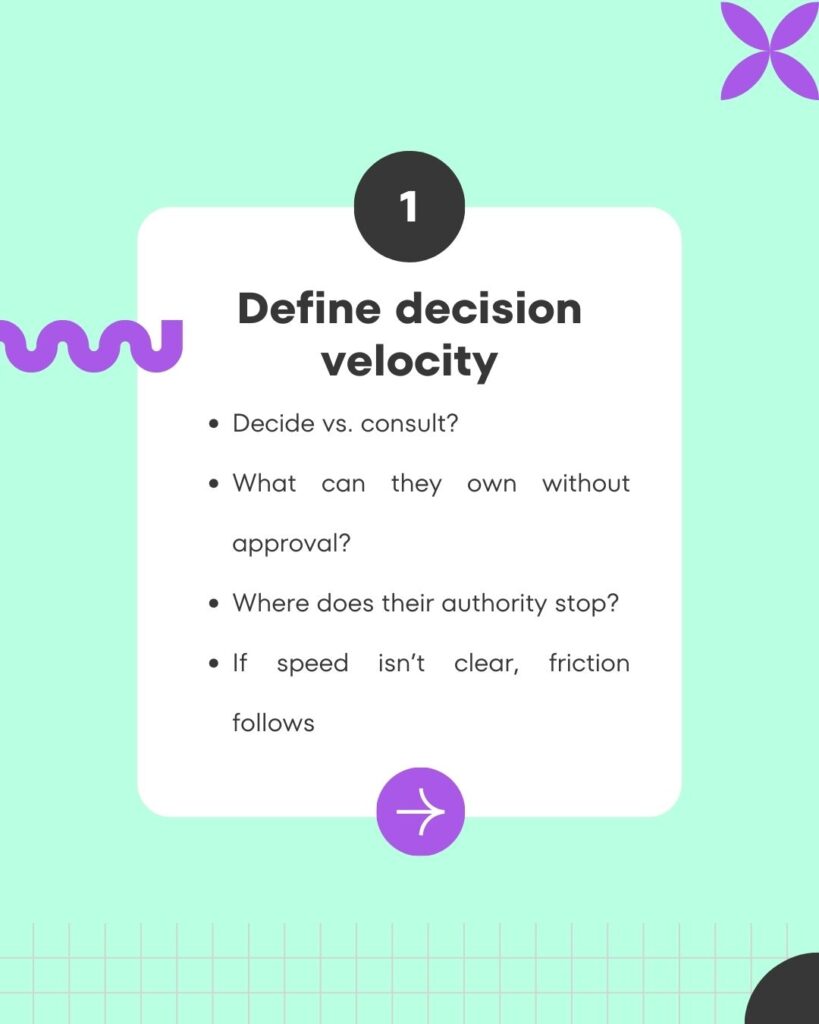
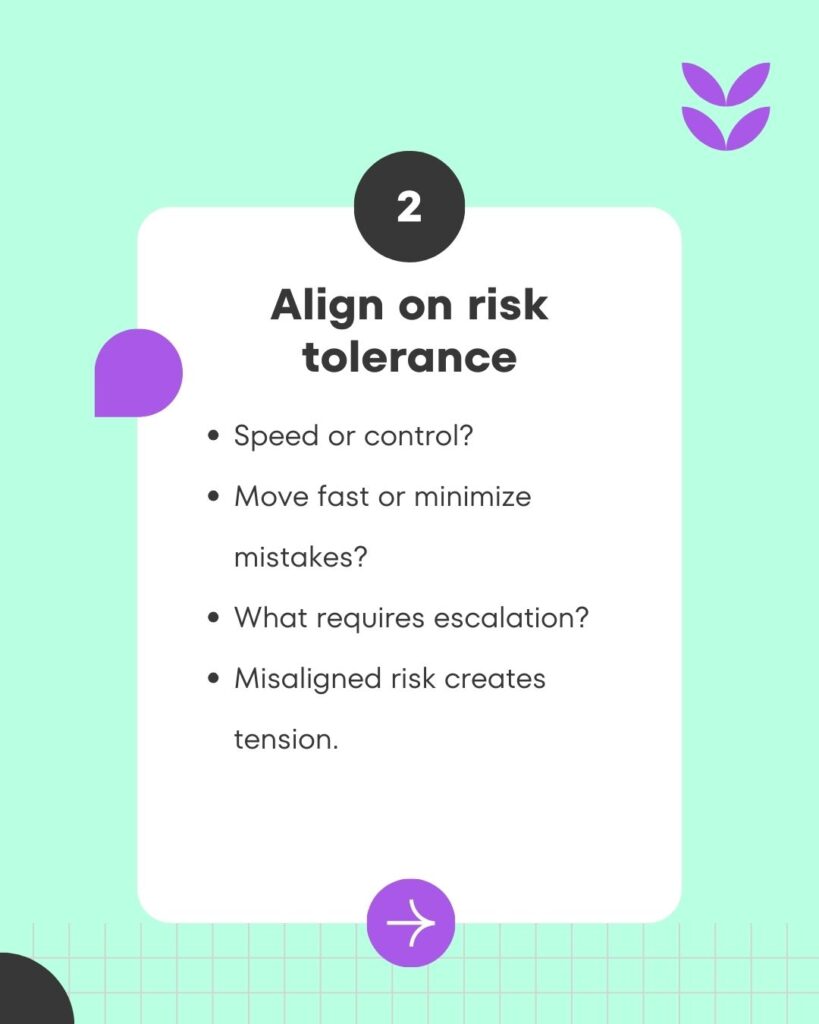
If you don’t define:

  • Decision velocity
    • Risk tolerance
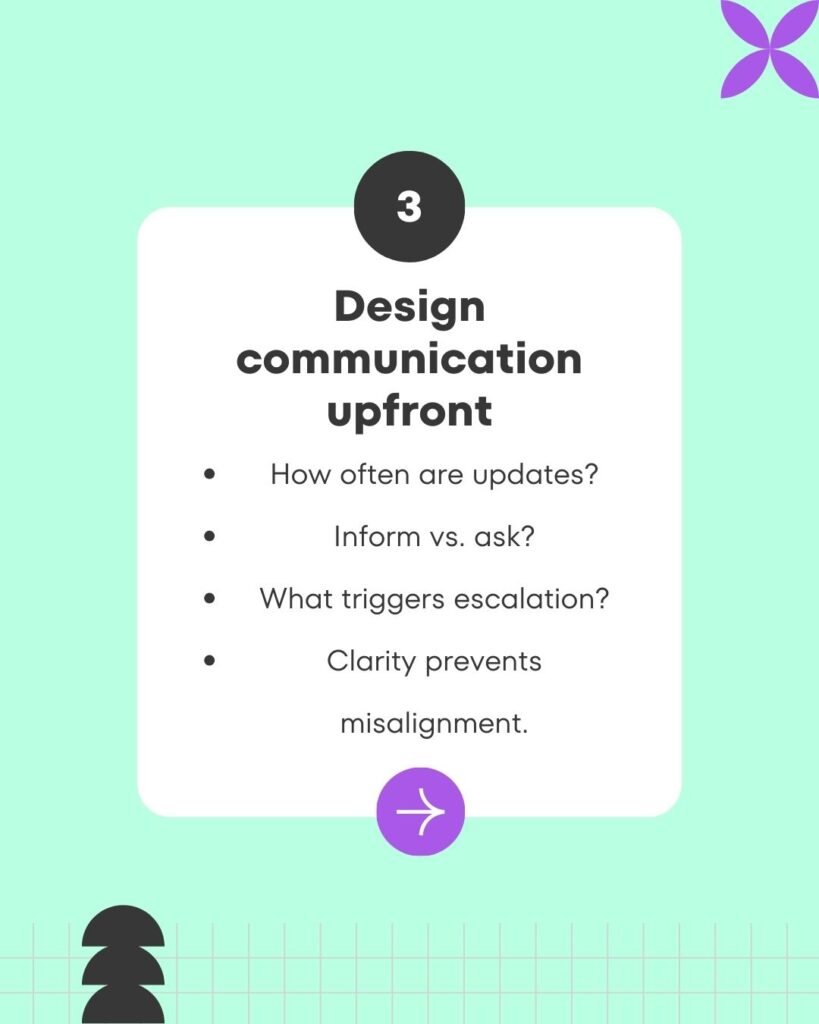
    • Communication rhythm
    • Escalation triggers

You create tension, not performance.

Capability matters.

Operational compatibility matters more.

Have you ever hired someone strong… but structurally misaligned?


Please follow and like us:

The “I Just Need Help” Moment

The “I Just Need Help” Moment

“I just need help.”

That’s what most founders say right before hiring.

It sounds logical.
It feels urgent.

But urgency is rarely strategic.

Help reduces pressure.
It doesn’t reduce dependency.

I’ve seen it repeatedly:

Founder overwhelmed.
Brings in support.
Six months later — still the bottleneck.

Why?

Because tasks were delegated.
Authority wasn’t.

If someone needs your approval to finish their work…

You didn’t solve the bottleneck.
You formalized it.

Relief is emotional.
Leverage is structural.

Before hiring, ask:
What outcome disappears from my responsibility permanently?

If nothing disappears…
You didn’t scale.

You expanded.

Where are you hiring for relief instead of redesign?


Please follow and like us:

The Hire That Looked Perfect

The Hire That Looked Perfect

It looked like the perfect hire.

Strong resume.
Confident in the interview.
Great culture fit.

Three months later, I was back in every decision.

Client approvals.
Team clarifications.
Budget adjustments.

Nothing moved without me.

The problem wasn’t the person.

It was the role.

We hired talent.
But we never defined ownership.

No clear decision rights.
No protected authority.
No metric that was fully theirs.

So every issue climbed back up the ladder.

Here’s what founders miss:

If authority isn’t explicitly transferred, it defaults back to you.

Hiring didn’t fail.
Role design did.

Growth adds people.
Scale redistributes control.

Quick question:
What decisions are still coming back to you that shouldn’t be?

Please follow and like us:

“What must be owned?”

“What must be owned?”

Most hiring mistakes happen before the interview.

Not because the candidate was wrong.

Because the role was.

Founders usually start with:

“Who do I need?”

But the better question is:

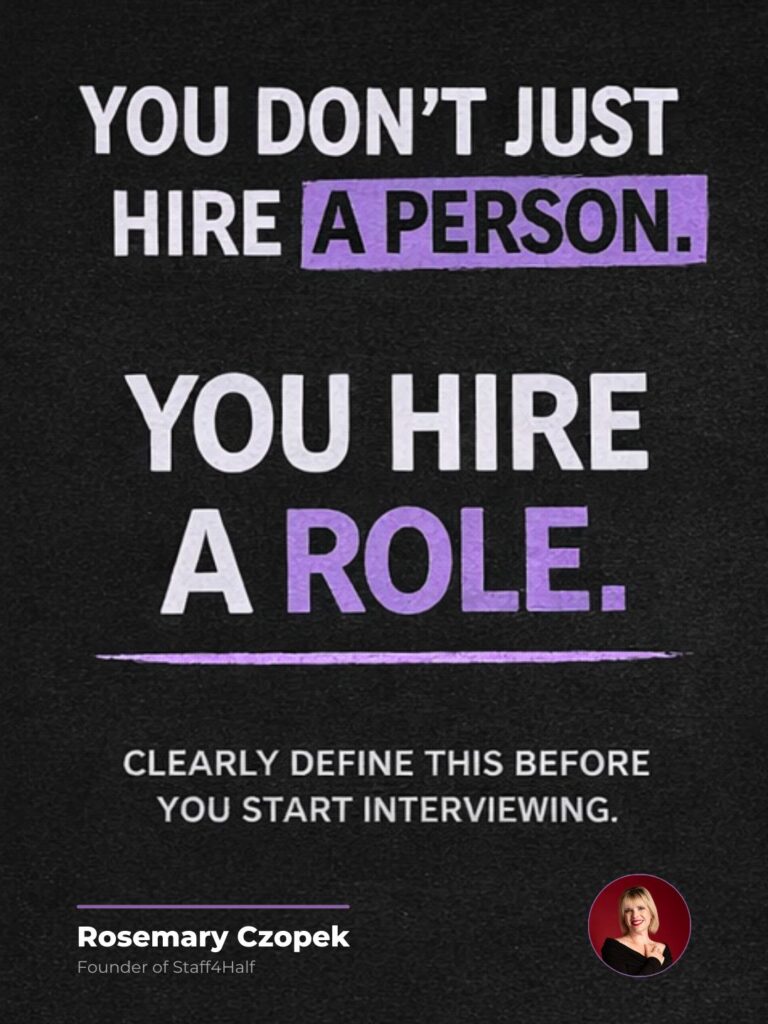
“What must be owned?”

If you can’t clearly define:

• The outcome this role controls
• The decisions they can make without you
• The metric they are accountable for

You’re not hiring.

You’re hoping.

And hope is expensive.

Here’s what strong hiring actually looks like:

Step 1: Define the result.
Not the tasks. The result.

Step 2: Assign decision rights.
If they can’t decide, they can’t relieve you.

Step 3: Build a scorecard.
If success isn’t measurable, you’ll default to micromanaging.

Great hiring doesn’t start with resumes.

It starts with clarity.

Because clarity attracts talent.

Vagueness attracts applicants.

If you’re hiring this quarter, design the role before you search for the person.

That’s how you scale without multiplying stress.

Please follow and like us:
Scroll to top