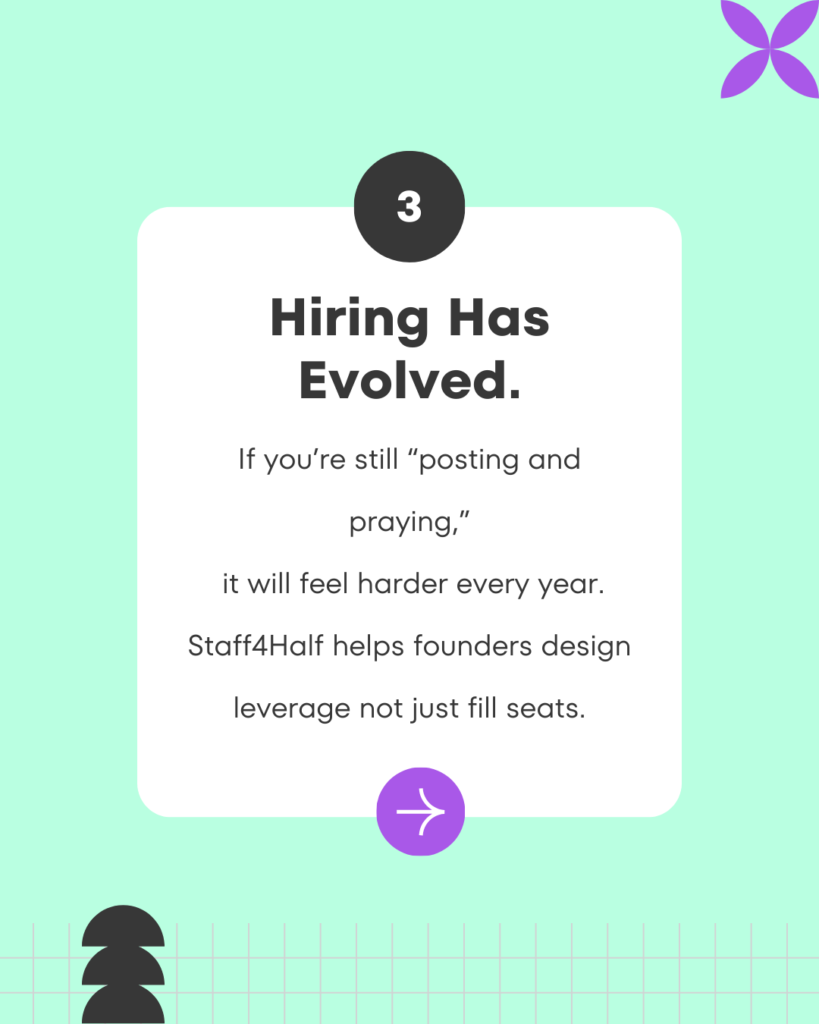
There’s a common misconception about outsourcing: that agencies charge double what employees get.
Looks like a nice business model, doesn’t it?
Here’s what most business owners don’t see.
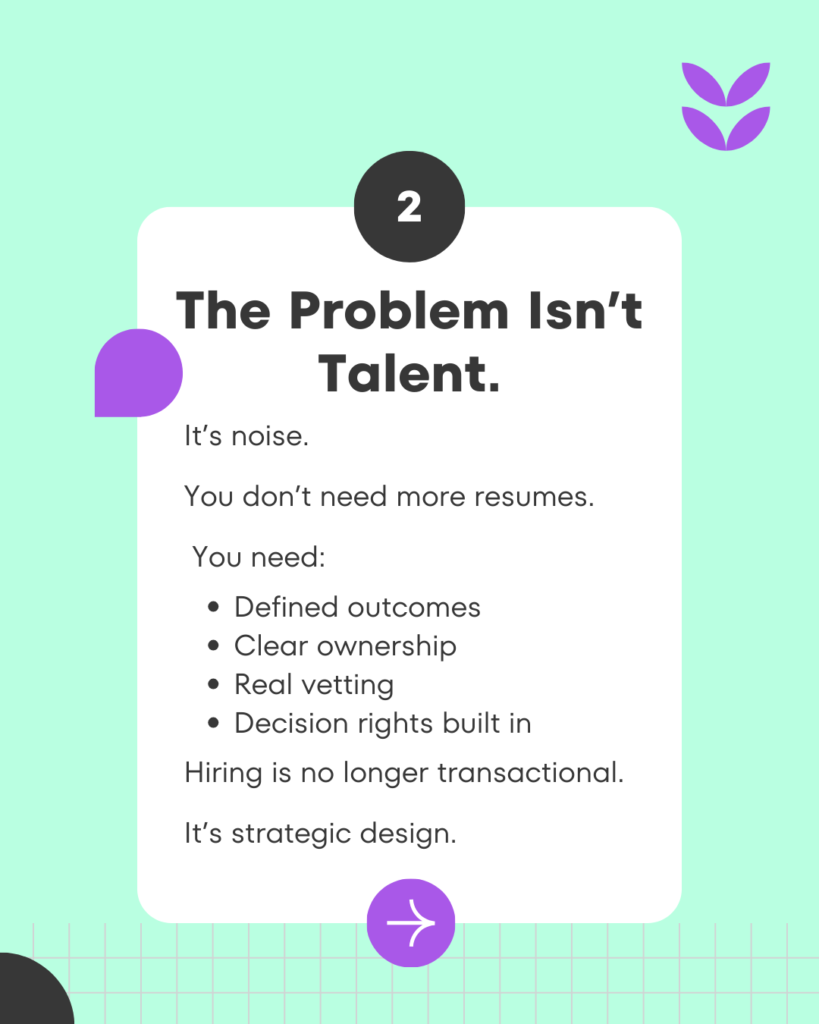
Before a single interview happens, a good agency has already spent hours on these five things:
1️⃣ Understanding the company, its values, its workflow, its pain points.
2️⃣ Writing and rewriting the job description so it actually reflects what’s needed, not just what sounds good.
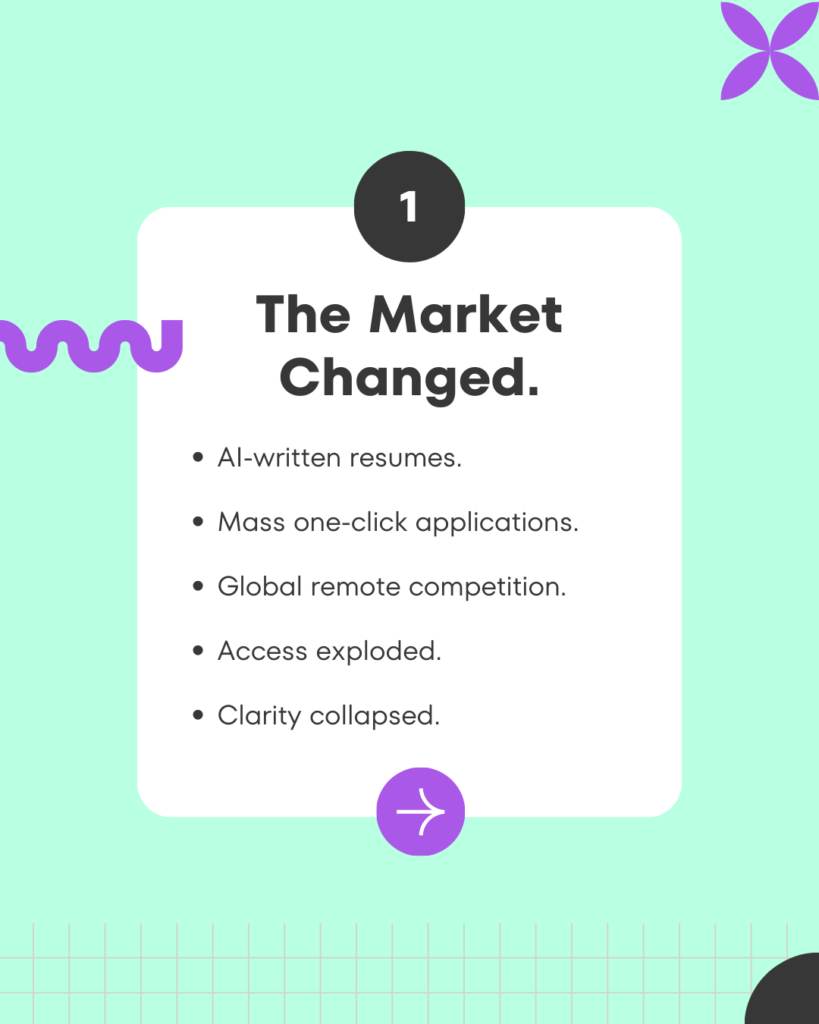
3️⃣ Filtering hundreds of applications, spotting who’s real and who’s copy-pasted their resume with AI.
4️⃣ Vetting for skills and mindset, because the wrong attitude costs more than the wrong tool.
5️⃣ Mapping cultural fit: who will thrive with your leadership style, your pace, your expectations.
By the time a small business owner finally meets a candidate, the real work has already been done, even if they never saw it.
The value isn’t in “finding someone.”
The value is in hiring with a level of quality most small companies struggle to reach, simply because they don’t hire often enough to build these systems themselves.
Good outsourcing doesn’t cost you more. It saves you from paying for the same mistake twice.
You Might also like
-
When Leaders Assume, Teams Guess
One of the biggest drains on execution isn’t workload.
It’s mental overhead.
When priorities are unclear, people spend energy interpreting instead of acting.
They replay conversations.
They check messages twice.
They hesitate, not because they don’t care, but because they don’t want to get it wrong.
That hesitation rarely shows up as a problem on paper.
It shows up as slower decisions, muted ownership, and work that feels heavier than it should.
Clarity removes that weight.
When leaders name what matters most, what can wait, and how decisions will be made, something subtle but powerful happens.
People stop bracing.
They stop guessing.
They move.
Not with more pressure.
With more confidence.
I’ve learned that leadership under pressure isn’t about pushing harder or communicating more often.
It’s about communicating more clearly.
Saying the obvious.
Closing open loops.
Making priorities explicit instead of implied.
That’s what restores momentum.
That’s what gives teams room to take ownership without fear.
If execution feels harder than it should, ask yourself this:
What am I assuming people already know?
The answer is usually where clarity is missing.
Post Views: 76 -
Do Women Hire Differently? I Think So
Men tend to hire to plug a hole in their organization. It’s functional: a task, a role, a gap.
Women, on the other hand, often hire with their hearts. We look for chemistry, for someone we can connect with. We want to know if this person will fit into the culture, not just the job description.
Some might think that’s idealistic. I think it’s realistic, because culture drives performance.
When hiring for cultural fit, the stakes are also higher, because when every hire is an emotional investment, every mis-hire hurts twice as much.
That’s one of the reasons I started Staff4Half. I wanted an agency that understands how women hire, with empathy, connection, and care, and that can support female founders in making smart, sustainable hiring decisions.
We don’t just scan résumés for functional fits. We help founders find people who belong, who are a cultural fit in every sense. I believe the right person doesn’t just fill a role, she transforms the team.
P.S. Case in point: my VA, Amara Krausse Horlacher, who has become my second half, my second brain. This is only possible because we are emotionally aligned.
If you’ve ever felt the emotional weight of hiring, you’re not alone. And you don’t have to do it alone.
Post Views: 326 -
Why Teams Still Hesitate
Most leadership tension comes from one thing people rarely admit.
Unfinished decisions.
Not bad decisions.
Not wrong decisions.
Decisions that were never fully made or clearly communicated.
You see it when priorities keep shifting.
When people ask the same questions in different meetings.
When execution feels hesitant instead of decisive.
What’s happening underneath is uncertainty.
Teams can handle change.
They can handle bad news.
They can even handle tough goals.
What they struggle with is ambiguity that lingers.
Strong leaders close loops.
They say
This is the decision.
This is why we made it.
This is what it means for you.
This is what we are not doing right now.
That clarity creates relief.
People stop second guessing.
They stop waiting for permission.
They move with confidence because the ground feels solid again.
Leadership is not about keeping options open forever.
It is about knowing when it is time to choose and helping others move forward with you.
If your team feels stuck, look for the open loops.
They are usually where the energy is leaking.
Because the strongest teams are not the ones with the smartest answers.
They are the ones asking the best questions together.
Post Views: 49