Podcast

Special Episode: The Power of the Divine Feminine & How to Live an Epic Life with Justin Breen

n this episode, Rosemary sits down with Justin Breen, visionary entrepreneur, former journalist, and author of the upcoming book Epic Journey, to explore what it truly means to live an epic life—beyond money, titles, and external success.

Justin shares his journey from two decades as a journalist to building companies and writing books that focus on purpose, intuition, and the rise of the divine feminine. He reflects on the pivotal moments that shaped his path, including a profound shift in how he views leadership, success, and the human constructs—like business and sales—that often keep people trapped in anxiety and ego.

Throughout the conversation, Justin introduces his four-part pattern for identifying visionaries, discusses the role of trauma as fuel rather than excuse, and explains how tools like human design and numerology helped him understand his own rare 11 life path. He also offers a candid look at the dynamics between masculine and feminine energy, the importance of embracing both, and why so many high-performing women leaders are overcompensating in ways that leave them disconnected from what truly matters.

This episode is a thoughtful and deeply human conversation about purpose, relationships, and the courage it takes to unlearn old definitions of success in order to build something that lasts.


Check out this episode!

Please follow and like us:

Ambiguity slows organizations far more than incompetence
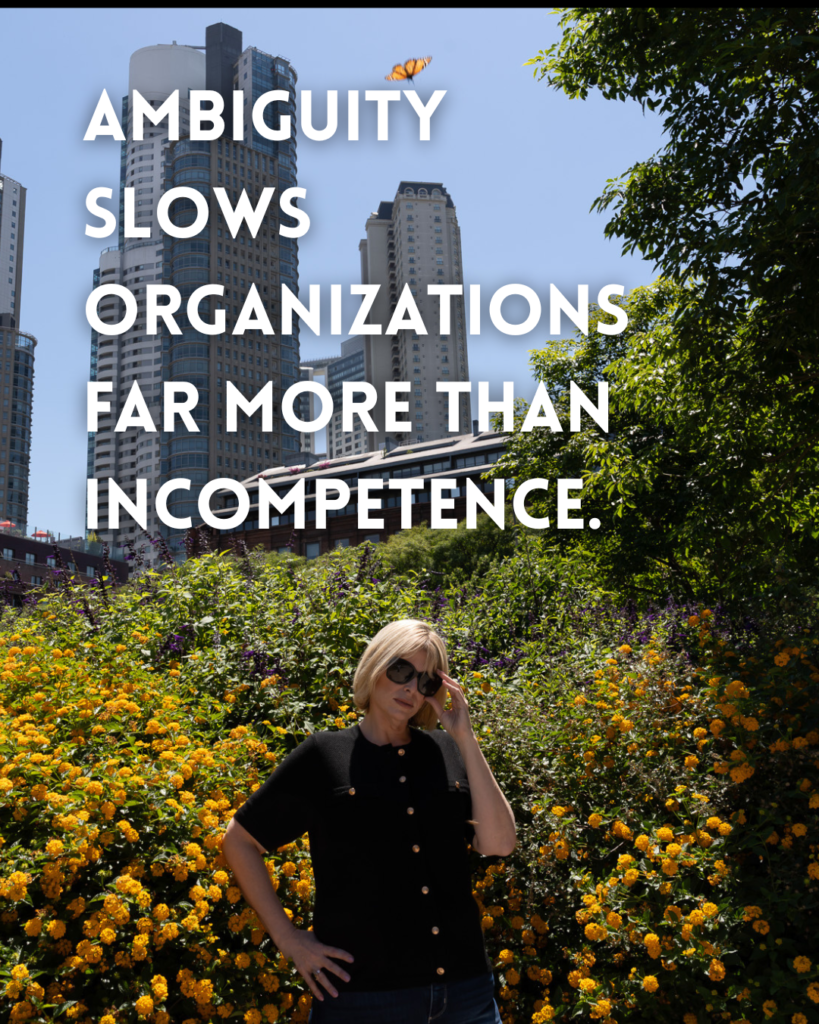
Ambiguity slows organizations far more than incompetence

A slow team isn’t always an unmotivated team.

Sometimes it’s a careful one.

I once reviewed a company where everything seemed to move cautiously.

Leaders double-checked decisions.

Projects waited for confirmation.

Small issues escalated upward.

The founder assumed the team lacked urgency.

But when we asked one simple question —

“Who owns the final decision here?” —

No one could answer clearly.

So people protected themselves.

They asked.

They confirmed.

They waited.

Not because they lacked initiative.

Because the structure rewarded caution.

When ownership is clear, speed increases naturally.

People move faster when they know where the line of authority actually is.

Ambiguity slows organizations far more than incompetence.

Please follow and like us:

Most founders think they need more people. What they usually need is fewer decisions.
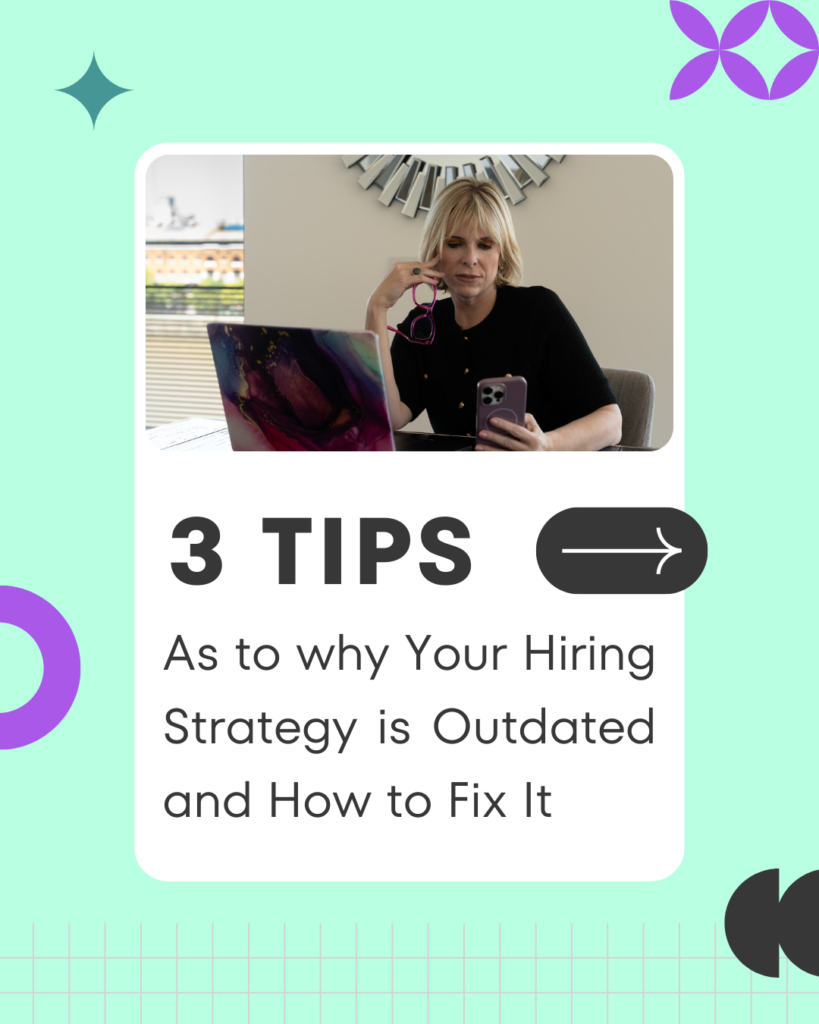
Most founders think they need more people. What they usually need is fewer decisions.
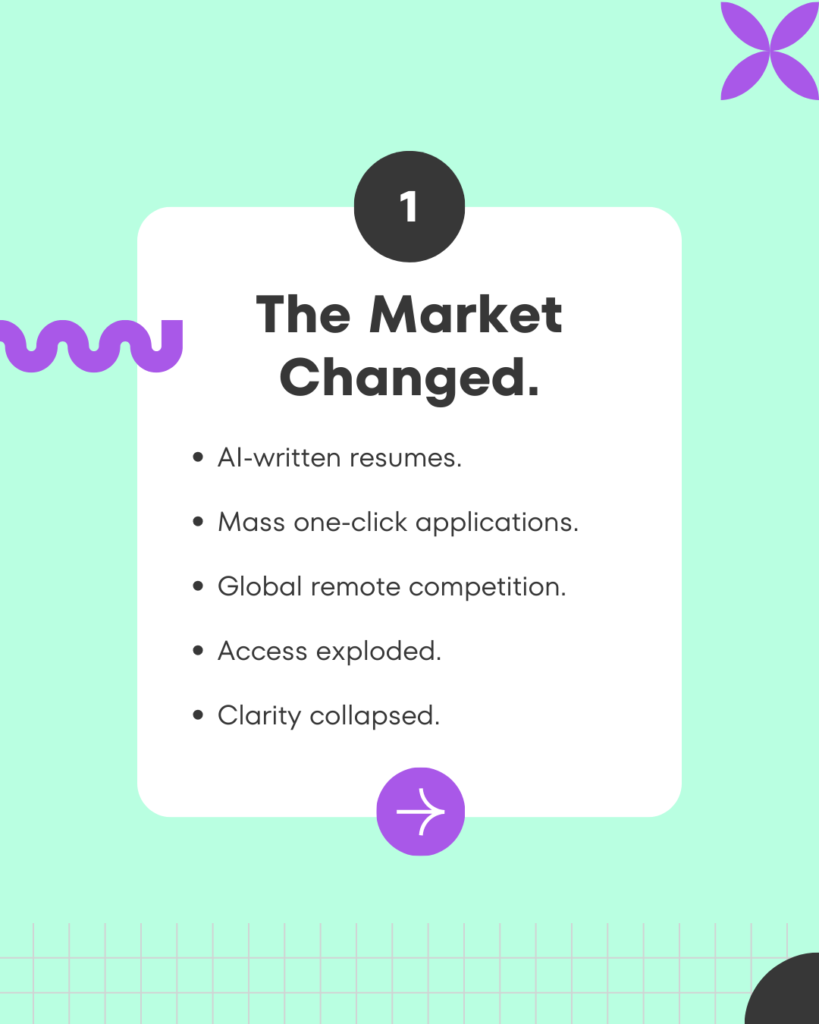
Most founders think they need more people.

What they usually need is fewer decisions.
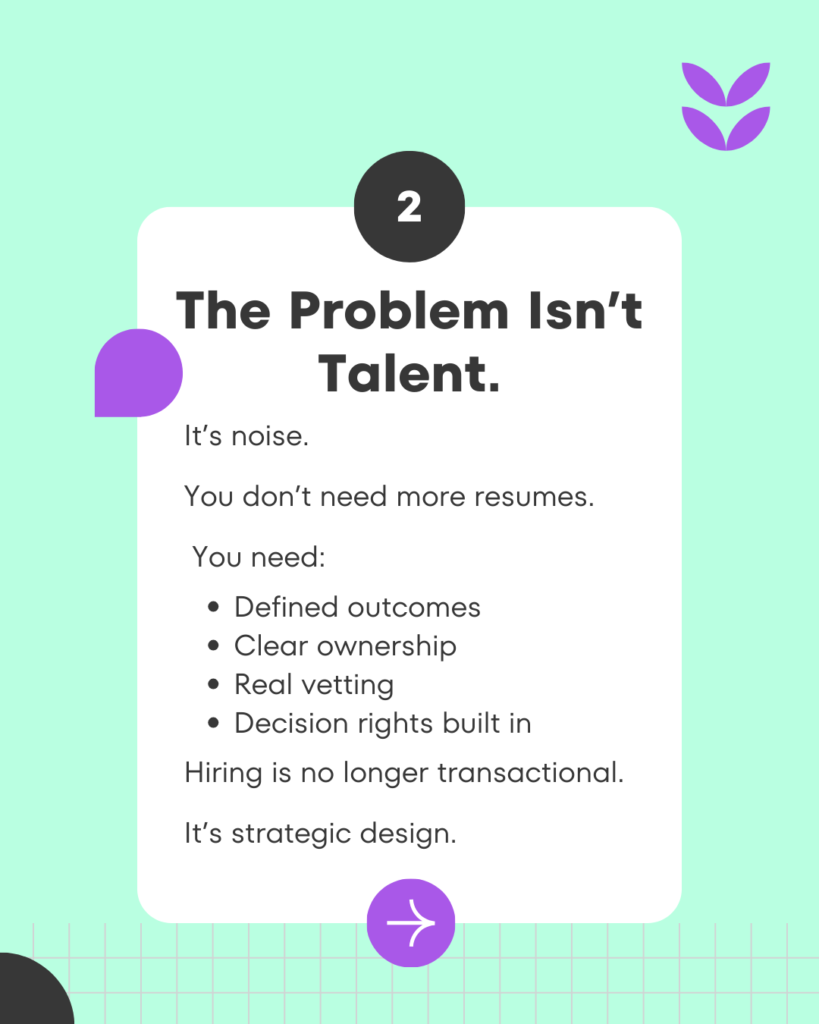
I worked with a founder whose team had grown from 6 to 24 people in two years.

Revenue was up.

Headcount was up.

But his calendar looked worse than ever.

Every department still relied on him.

Not for major strategy.

For small decisions.

Client adjustments.

Priority changes.

Operational clarifications.

Nothing dramatic.

Just constant.

The company had grown.

But the decision structure hadn’t.

Adding people without redistributing authority doesn’t create scale.

It multiplies escalation.

The real question isn’t how many people you’ve hired.

It’s how many decisions no longer need you.

Please follow and like us:

Experience helps you move faster. Structure keeps you from hitting the trees.
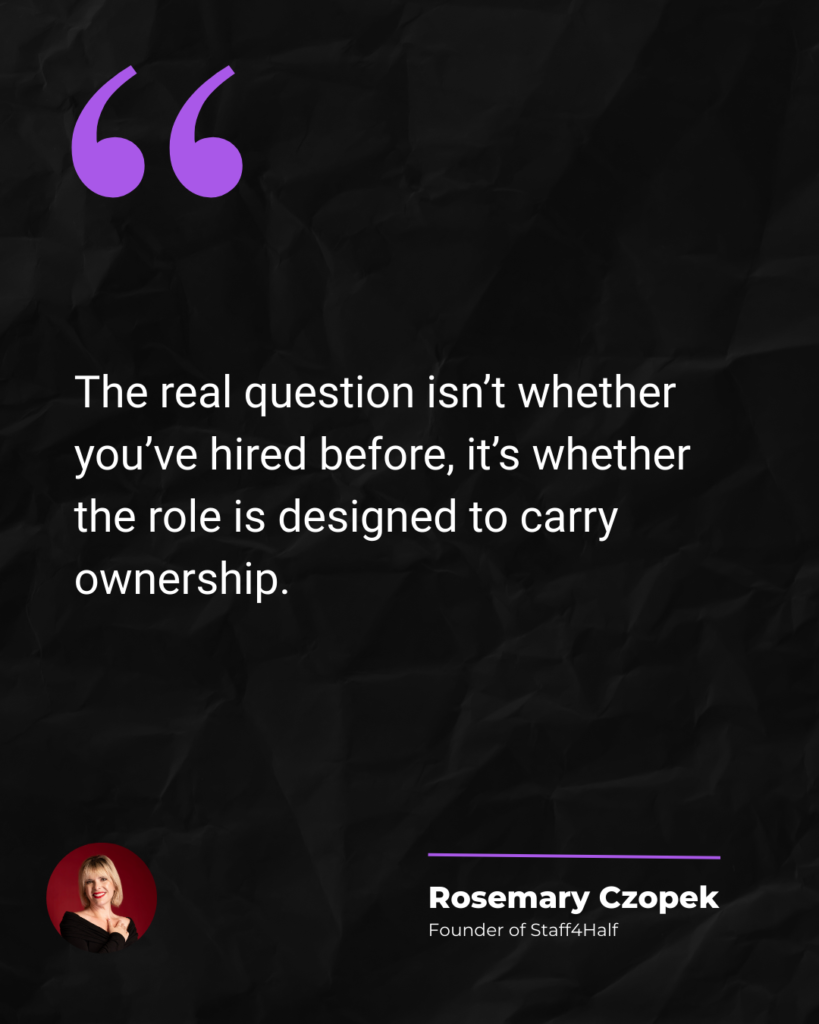
Experience helps you move faster. Structure keeps you from hitting the trees

A founder told me that recently.

And to be fair, he had.

Multiple companies.

Dozens of hires.

Experience matters.

But experience doesn’t protect you from structural mistakes.

We reviewed the role he was trying to fill.

Smart candidate profile.

Strong compensation.

Clear urgency.

But the role itself was blurry.

No real ownership.

Decisions that still escalated upward.

Success defined more by activity than outcome.

It reminded me of skiing.

You can be a great skier and still crash if your alignment is off.

Skill helps — but physics still wins.

Hiring works the same way.

At early stages, small design mistakes are survivable.

The team is small.

The founder fills the gaps.

But as the company grows, those same design flaws get expensive.

More people depend on the role.

More decisions pass through it.

More momentum gets tied to it.

Experience helps you move faster.

Structure keeps you from hitting the trees.

So the real question isn’t whether you’ve hired before.

It’s whether the role itself is designed to carry ownership.

Please follow and like us:

High performers don’t look for to-do lists. They look for territory.
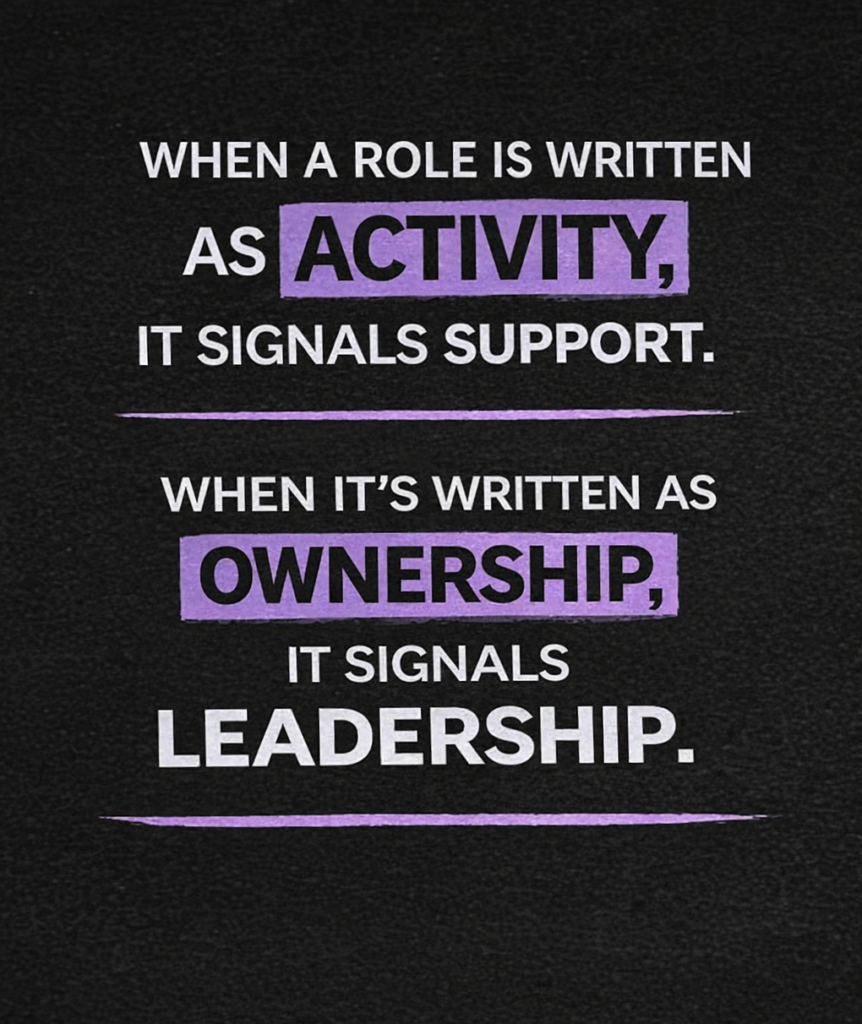
High performers don’t look for to-do lists. They look for territory.

We reviewed the job description.

Two full pages.

Tasks everywhere.

Update the CRM.

Coordinate meetings.

Manage the inbox.

Prepare reports.

Everything the person would do.

Nothing they would own.

Not a single defined outcome.

No decision authority.

No metric that was fully theirs.

This is where most hiring breaks down.

High performers don’t look for to-do lists.

They look for territory.

They want to know:

What result is mine?

What decisions can I make?

What metric am I accountable for?

When a role is written as activity, it signals support.

When a role is written as ownership, it signals leadership.

If your job description reads like tasks, you’ll attract executors.

If it defines outcomes, authority, and metrics, you’ll attract operators.

Clarity is a filter.

It doesn’t just define the role.

It defines who applies.

Quick founder question:

What are your job descriptions signaling right now?

Please follow and like us:

Expansion without redistribution is just added weight
Expansion without redistribution is just added weight

Revenue doubled.

So did the founder’s workload.

That’s not scale.

That’s expansion without redistribution.

I see this pattern constantly.

Revenue grows.

Headcount grows.

Complexity explodes.

And the founder becomes the center of even more decisions.

Approvals.

Escalations.

Clarifications.

Problem-solving.

Growth added activity.

But it didn’t redistribute control.

Real scale feels different.

Payroll gets heavier.

The founder’s decision load gets lighter.

Because ownership moves outward.

If revenue increases but you are:

• Approving more

• Deciding more

• Fixing more

• Attending more meetings

You didn’t scale.

You added weight.

More people.

More revenue.

More pressure on the same bottleneck.

Yourself.

Scale happens when the system absorbs complexity.

Not when the founder absorbs it.

Quick founder check:

Is your company getting bigger…

Or is it actually becoming less dependent on you?

Please follow and like us:

Remote didn’t create the problem. It revealed it.
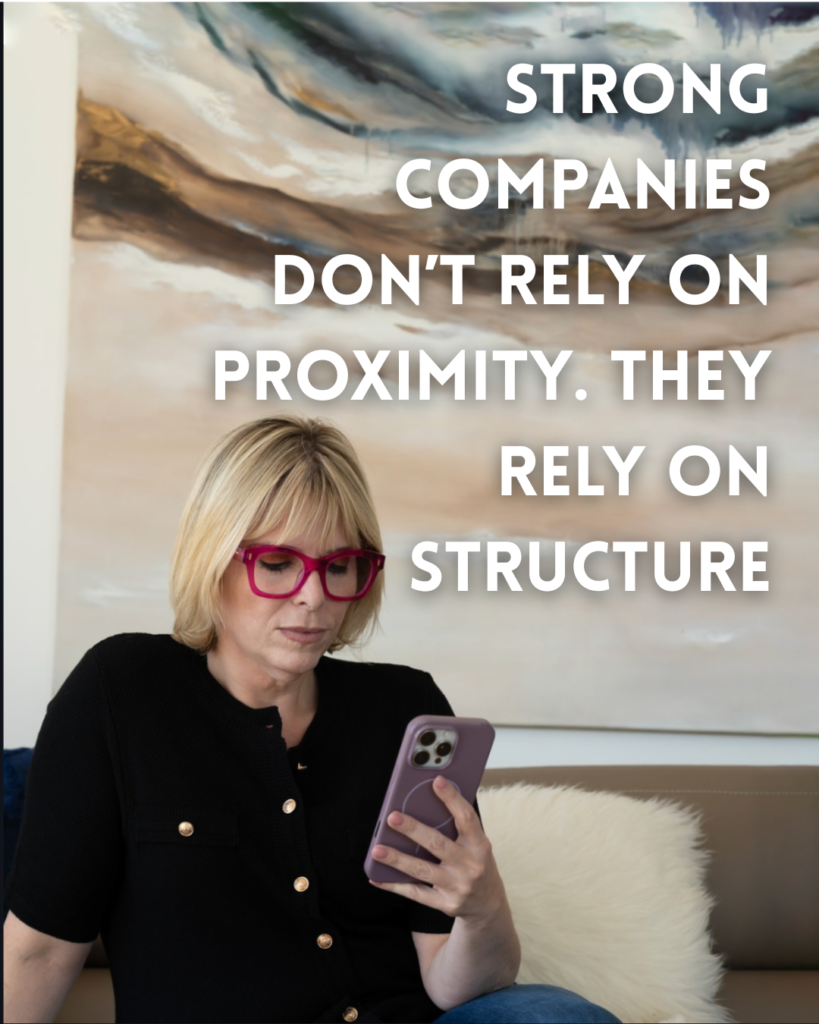
Remote didn’t create the problem. It revealed it.

That’s what a founder told me.

So we looked at the structure.

No written decision rights.

No documented processes.

No defined response expectations.

No escalation framework.

Accountability wasn’t missing.

Clarity was.

When teams work in the same office, ambiguity hides.

People overhear conversations.

They interrupt each other.

Decisions happen informally.

Things move… even when the system is weak.

Remote work removes that safety net.

Silence exposes structure.

If ownership isn’t defined, work stalls.

If decision rights aren’t clear, everything escalates.

If processes aren’t written, people wait.

Remote didn’t create the problem.

It revealed it.

Strong companies don’t rely on proximity.

They rely on structure.

Decision rights travel.

Ownership travels.

Clarity travels.

And when they do, location stops mattering.

Quick question for founders running remote teams:

If someone new joined your team tomorrow, could they clearly see what they own and what they can decide — without asking you?

Or would they have to figure it out through Slack messages and meetings?

Structure is what makes remote work scale.

Please follow and like us:

EP. 05: Building High Performance Team in Federal Grant and Compliance

In this episode, Rosemary sits down with Carmen Melly to explore the leadership, resilience, and strategic thinking required to build and lead in complex, fast-moving environments.

Carmen shares her journey through the world of business and leadership, reflecting on the pivotal moments that shaped how she approaches decision-making, team building, and long-term growth. From navigating professional challenges to developing the confidence to lead with clarity, she offers a candid perspective on what it truly takes to evolve as a leader.

Throughout the conversation, Carmen discusses the importance of trust, ownership, and creating environments where people can perform at their highest level. She also reflects on how leaders can balance operational demands with strategic thinking while staying aligned with their core values.

This episode is a thoughtful conversation about leadership development, personal growth, and the mindset required to build organizations that thrive through change.

Check out this episode!

Please follow and like us:

The Expensive Misalignment
The Expensive Misalignment

On paper, they were exceptional.

Strategic.
Fast.
Independent.

But six weeks in, friction started.

They moved quickly.
The founder moved cautiously.

They made decisions.
The founder rechecked them.

They expected autonomy.
The founder expected updates.

No one was wrong.

But the operating systems were incompatible.

Here’s the hard truth:

Talent doesn’t fix misalignment.

It amplifies it.

Hiring remotely makes this even sharper.

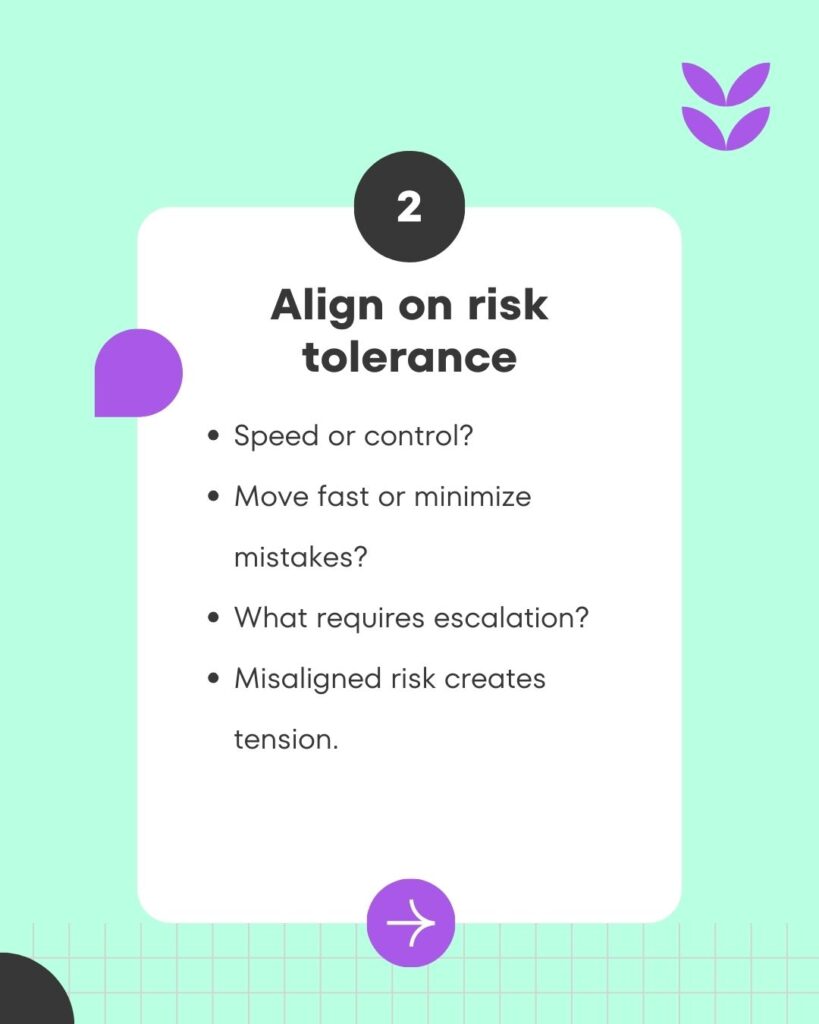
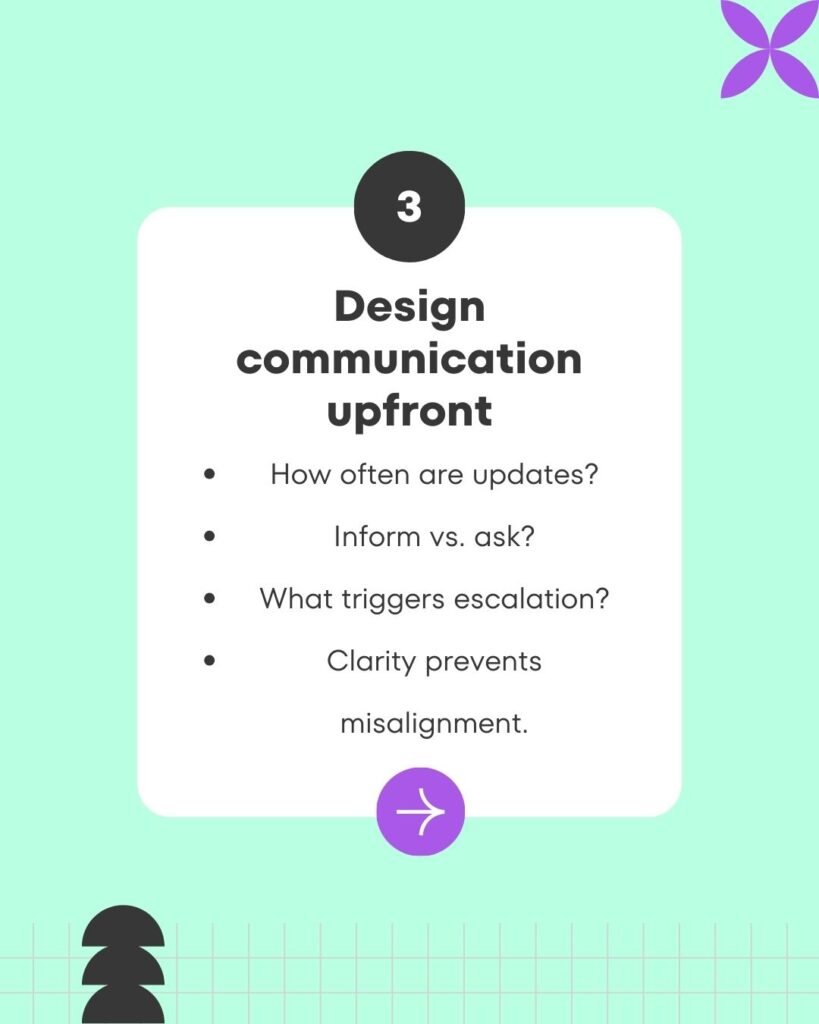
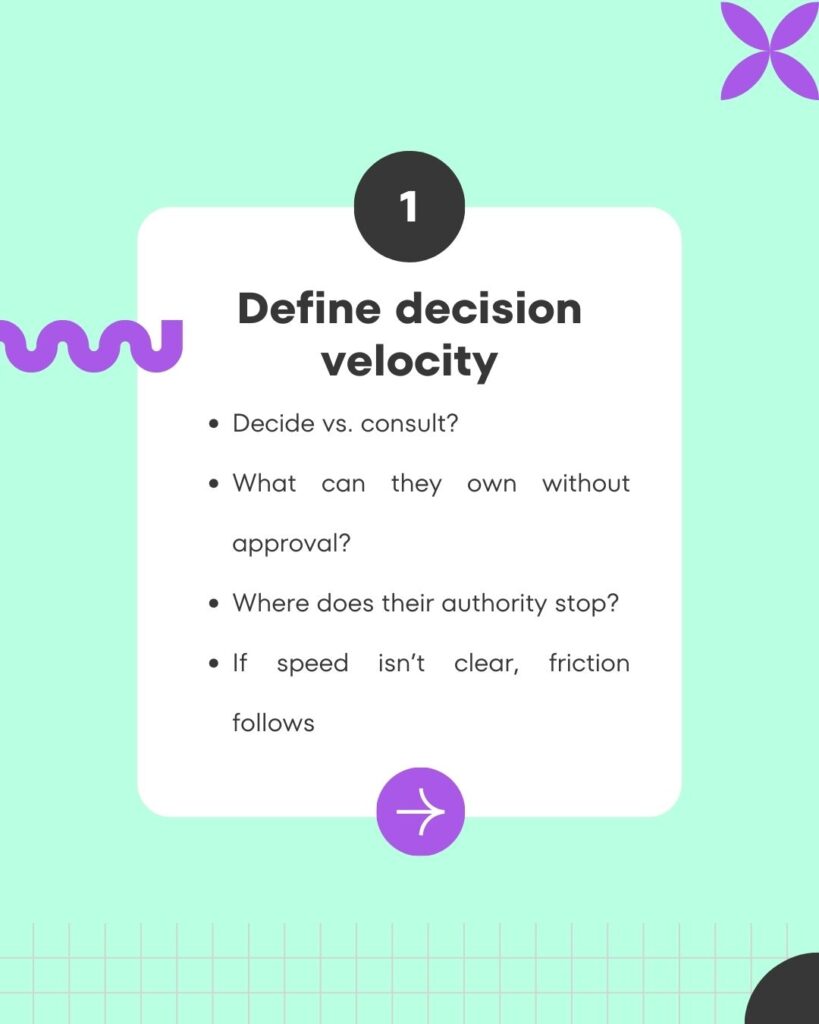
If you don’t define:

  • Decision velocity
    • Risk tolerance
    • Communication rhythm
    • Escalation triggers

You create tension, not performance.

Capability matters.

Operational compatibility matters more.

Have you ever hired someone strong… but structurally misaligned?


Please follow and like us:

The “I Just Need Help” Moment

The “I Just Need Help” Moment

“I just need help.”

That’s what most founders say right before hiring.

It sounds logical.
It feels urgent.

But urgency is rarely strategic.

Help reduces pressure.
It doesn’t reduce dependency.

I’ve seen it repeatedly:

Founder overwhelmed.
Brings in support.
Six months later — still the bottleneck.

Why?

Because tasks were delegated.
Authority wasn’t.

If someone needs your approval to finish their work…

You didn’t solve the bottleneck.
You formalized it.

Relief is emotional.
Leverage is structural.

Before hiring, ask:
What outcome disappears from my responsibility permanently?

If nothing disappears…
You didn’t scale.

You expanded.

Where are you hiring for relief instead of redesign?


Please follow and like us:
Scroll to top