I’ve never posted much here, and definitely not personally.Yet I think it’s time I share why I’m doing what I’m doing.I believe it’s relevant to many other business owners around me. For years, I outsourced work to the Philippines.The numbers add up but it never feels quite right when a team member has to work a night shift while I enjoy the light of the day.
I remember one call in particular: It was late afternoon my time and the middle of the night for her.She showed up to our call knowing that her kids would soon wake up, expecting a happy, well rested mom…
And I felt my discomfort.
She was sacrificing the quality of her family life while I was growing my business.Is this what work-life balance and team health are supposed to feel like? We say we care about work-life balance. About being values-driven. About team health. But when our business depends on someone else working shifts we would refuse, I struggle to look myself in the mirror. Aren’t we quietly lying to ourselves?I didn’t like asking that question because for a long time, I didn’t have a better solution.
Until a few years ago, when I flew to Buenos Aires for an EO conference, not expecting much. But something clicked and I realised I might have found a better way:
- US-aligned time zones.
- Cultural chemistry I hadn’t felt elsewhere.
I tested a few placements for my office supply business. It worked better than I expected.
So I built a team.
And now I’ve built a company around it. Staff4Half didn’t start as a business plan. It started as a gut check. I believe there’s a better way to build a company. If you’ve wrestled with this too, I’d love to hear your take.
———————-
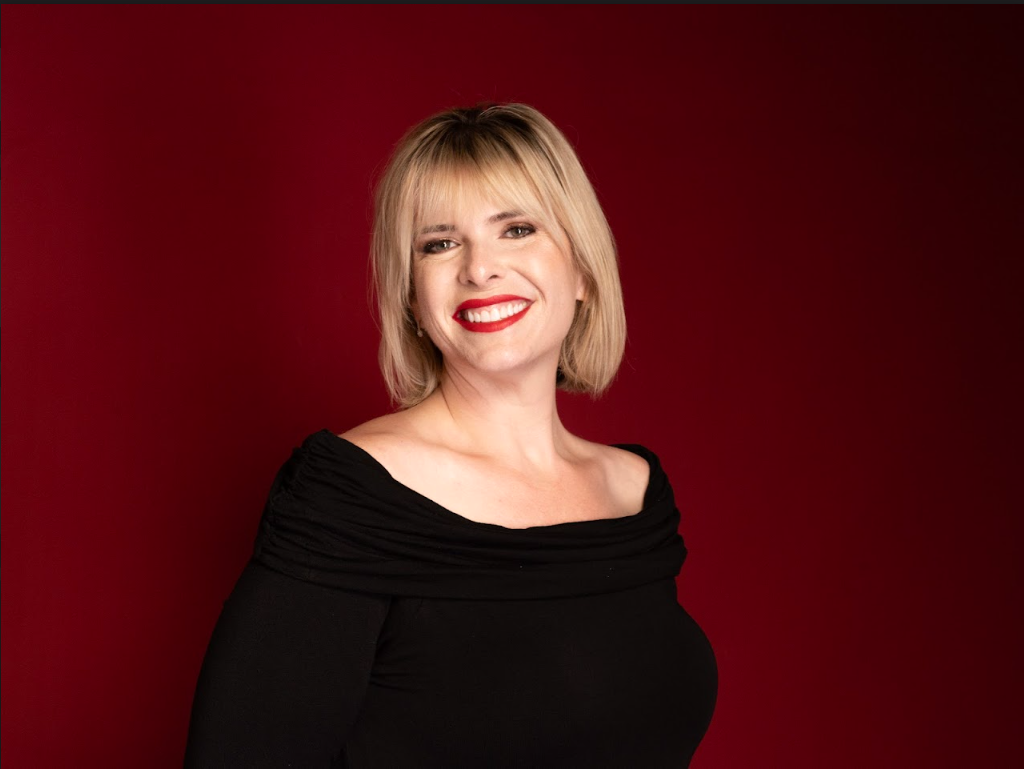
Hi, I’m Rosemary. In the past 15 years, I’ve built three businesses in the US, Puerto Rico, and Argentina.
If you believe in leading with trust and building with heart, I invite you to follow me and connect with a community of founders building together.
You Might also like
-
Clarity Isn’t Certainty. It’s Direction
I used to think clarity meant having the answers.
Now I know it usually means asking better questions.
Most leadership breakdowns I see don’t come from bad intentions or weak talent. They come from leaders assuming everyone understands what feels obvious to them.
But clarity in your head is not clarity in the room.
Teams don’t struggle because they don’t care.
They struggle because they’re guessing.
Guessing what matters most.
Guessing how decisions are made.
Guessing which tradeoffs are acceptable.
Guessing what “good” actually looks like.
And guessing quietly erodes confidence.
The moment a leader says the obvious out loud, something changes.
People relax.
Execution speeds up.
Ownership increases.
Not because people suddenly became smarter.
But because they’re no longer operating in fog.
Strong leadership today isn’t about certainty.
It’s about orientation.
Naming priorities.
Making assumptions explicit.
Saying “this matters more than that.”
And being willing to revisit decisions as new information shows up.
If your team feels stuck, don’t push harder.
Try clarifying faster.
The question I ask most often with leadership teams is simple:
What do you know in your head that your team hasn’t heard yet?
That’s usually where the work begins.
Post Views: 180 -
The Real Burnout: Why Leadership Isn’t About Hardening Your Heart
I cried the first time I had to fire someone. I felt it was my fault. As a founder, I’ve always believed we don’t just hire people, we invite them into our vision. We hope they’ll care as much as we do. And when they don’t, or when it doesn’t work, it feels like a personal failure.
For a long time, I kept people too long because I wanted to avoid admitting that failure. Instead, I twisted myself trying to make things work that clearly weren’t. I thought being a “good leader” meant being endlessly patient.
It took me years to understand that being a good leader actually means telling the truth kindly, clearly, and as soon as things become clear.
That’s why I believe most of us don’t burn out from overworking. We burn out from emotional entanglement, from holding the entire relationship on our shoulders, without anyone saying, “Hey, this isn’t working and here’s why.”
It took me years to learn that leadership isn’t about hardening your heart. It’s about keeping it open and acting anyway.
Post Views: 581 -
The Old Hiring Model Doesn’t Work Anymore
I didn’t build Staff4Half because the world needed another staffing agency.
I built it because hiring has fundamentally changed — and most founders are still using old rules.
Ten years ago, hiring was simpler.
Post a job.
Review resumes.
Interview a few candidates.
Make an offer.Today?
Resumes are AI-polished.
Candidates apply to 200 roles in a click.
Skills shift faster than job titles.
Remote expands the talent pool — and the noise.And founders are overwhelmed.
The problem isn’t access to talent.
There’s more access than ever.The problem is signal vs. noise.
It’s knowing:
• Who can actually think, not just execute
• Who can own outcomes, not just complete tasks
• Who fits your pace, standards, and leadership styleHiring has moved from transactional to strategic.
It’s no longer about “filling a seat.”
It’s about designing leverage in a world where information is infinite and attention is scarce.That’s why I built Staff4Half.
Not to send resumes.
But to help founders:
• Define what they truly need
• Clarify ownership and outcomes
• Vet beyond surface-level credentials
• Design roles that actually create reliefBecause the old hiring model creates more activity.
The new hiring model creates scale.
And if you’re still hiring the old way, it’s going to feel harder every year.
Hiring isn’t broken.
It’s evolved.
And we help founders evolve with it.
Post Views: 149