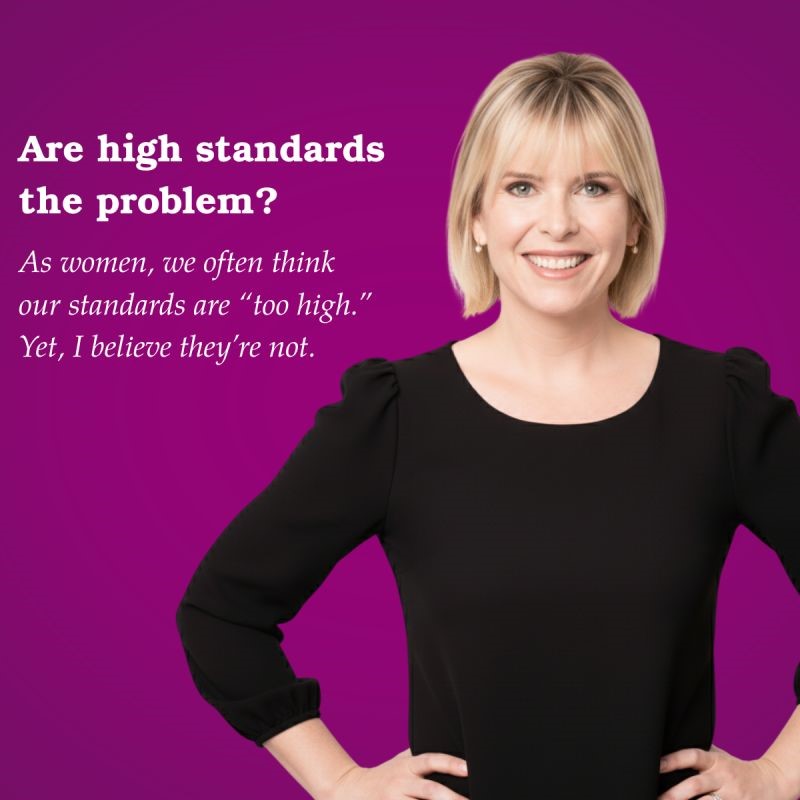
I believe that as female founders, high standards are our strength.
Women founders often second-guess themselves. We ask for excellence, then wonder if we’re being too demanding. We hold people accountable, then feel guilty for making someone uncomfortable.
But high standards aren’t harsh. They’re clarity. They protect our teams, our clients, and the purpose we’re building toward.
Strong boundaries aren’t unfair. They help the right people rise.
And when someone isn’t aligned, letting go isn’t failure. It’s leadership with compassion.
Because we can be kind and still be clear. We can care deeply and still expect excellence. That’s not a contradiction.
That’s respect — for ourselves, for our vision, and for the people we lead.
So don’t shrink your standards to make others comfortable. They exist for a reason. And they keep you, and your business, aligned with what matters most.
You Might also like
-
What Travel Taught Me About My Business
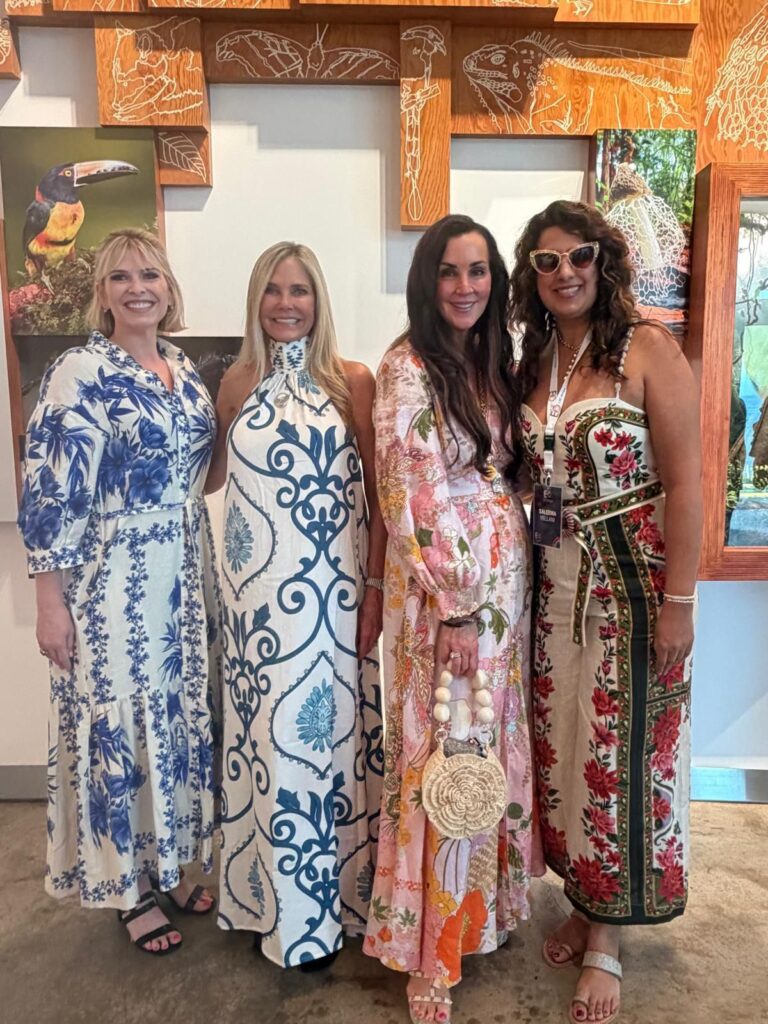
I learned more about my business while flying to Panama than I do on most workdays.
Not from dashboards.
Not from meetings.
But from stepping away and watching what happened next.
One of the quiet measures of a healthy business is what happens when the founder steps away.
Not the highlight reel.
Not the revenue numbers.
But whether the wheels keep turning without constant intervention.
I was in Panama recently, and stepping away made this impossible to ignore. Travel has a way of revealing the truth. When you unplug, gaps show up quickly. Decisions stall. Questions pile up. Or… everything keeps moving.
The difference is rarely talent.
It’s structure.
Strong teams don’t need to be micromanaged. They need clarity, trust, and systems that allow good decisions to happen without waiting for permission.
Building that kind of business takes intention.
You design for absence, not heroics.
Because freedom isn’t something you take once the business is “done.”
It’s something you build into the model from the start.
If your business can’t run without you, that’s not a leadership failure.
It’s simply a signal.
And signals are useful, if you’re willing to listen.
Post Views: 95 -
The Best Lessons Don’t Come From Books, They Come From People
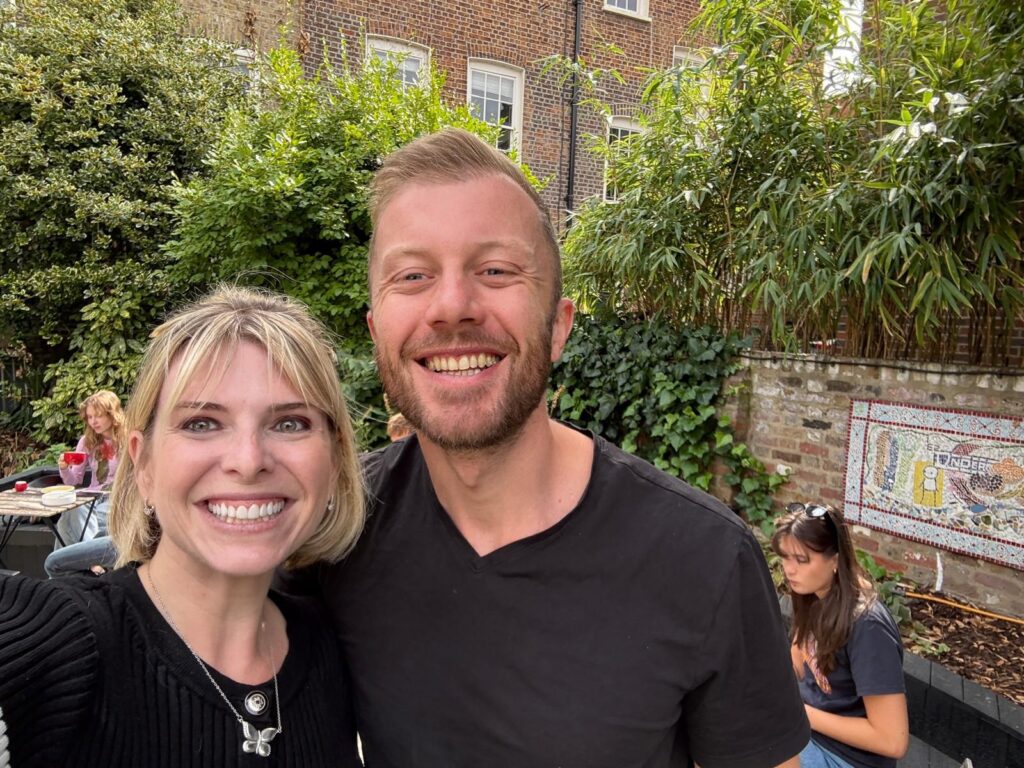
The best lessons don’t come from books. Sometimes, they come from a night at Coldplay with a friend.
Last week, I met up with Dan Baker from Valatam in East London, just before the Coldplay concert. Technically, Dan is a competitor, he runs two outsourcing agencies. Most people would hold back in that situation. I don’t.
Why? Because I met Dan through EO, the Entrepreneurs’ Organization. And in EO, I learned that even when we’re in the same industry, we don’t compete with each other. The only real competition is with ourselves.
To grow my business, I need to grow myself not fear what competitors are doing. That’s why every time Dan and I meet, we talk openly. And I walk away with ideas, feedback, and perspectives you can only get from someone who’s walked the same road.
I’m grateful for friends who prove that you can cheer each other on, learn from each other, and still win in business.
P.S.: The Coldplay concert made a memory. But peer learning makes change.
Post Views: 538 -
Everyone Knows an Emma (and That’s the Problem)
Everyone knows an Emma.
Emma, the founder drowning in to-dos.
Emma, who swore this month she’d finally get help.
Emma, who spent three hours on Fiverr trying to find “a VA who can do everything.” I call them unicorns.I’ve met many Emmas, and here’s what I’ve observed: Emma isn’t the problem. The hiring process is.
When her inbox hit 1,200 unread messages, Emma went to Fiverr. She typed “virtual assistant, reliable, proactive, English fluent” and hired someone in 48 hours. For two weeks, things looked fine. Then tasks slipped, instructions were repeated, and eventually, the VA disappeared mid-project.
So Emma said what many founders say in this situation:
“I guess I’m just bad at delegating.”
or
“There are no good people out there.”But here’s what really happened:
• Nobody helped Emma define what she actually needed.
• Nobody asked, “What will success look like 90 days from now?”
• Nobody said, “You don’t need a VA, you need a project coordinator.”Marketplaces can’t ask those questions. They just match keywords. They don’t challenge business owners on what they think they need. Marketplaces are built for transactions, not transformations.
Good agencies are different. They sit with the messy notes from founders, the voice messages, the vague frustration of “I just need help,” and turn that into a clear process. They design a role before the hire.
That invisible work — the questioning, the clarifying, the diagnosing — is what turns a two-week freelancer into a two-year team member.
So stop the cycle of hiring before understanding.
Before hiring, take the time to:
1- Get help defining what you truly need.
2- Map the skills to your real priorities.
3- Make sure your new hire has the context to succeed.The goal isn’t to fill a seat fast. It’s to know when Fiverr fits, and when it doesn’t.
Post Views: 352

