Letting go shouldn’t be hard. What if we approached endings differently? What if a team member leaving was simply the next step in helping them find their next sweet spot?
I believe we’re not marrying our team members, and they’re not marrying us. No job is forever—and that’s okay. Everyone has a sweet spot, a place where their strengths shine and where they are at their best. Sometimes that place changes. When it does, it’s our job as leaders to meet that moment with respect, not regret.
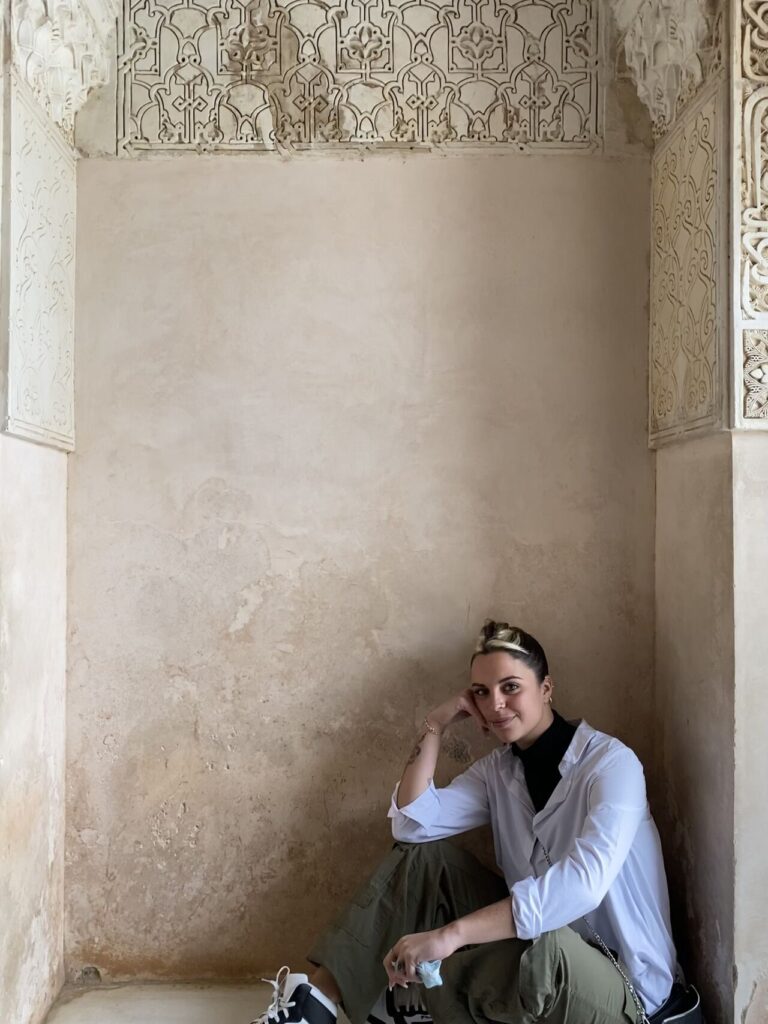
Take Augustina. She joined Staff4Half as a salesperson and gave it her all. But we knew her calling was in recruitment, not sales. So when the right opportunity came, she took it—and we cheered her on.
Yes, we’re sad to see her go. She leaves behind a gap. But more than anything, I am proud to have been part of her journey, and proud to see her step fully into what she’s meant to do.
Because I believe that good leadership means keeping your people’s well-being at heart—even when it takes them in a different direction.
P.S.: Today is her first day, and we wish her all the best.
EP 05: How To Build a High Trust Remote Team as a Founder With Felena Hanson
This week I sit down with Felena Hanson, Founder of Hera Hub, to talk about what founders often get wrong about remote leadership.
We unpack:
– Why trust is not a personality trait, it’s a design decision – The difference between accountability and control – How to create connection without micromanaging – What high-performing remote teams actually need from their founder
One of my favorite takeaways: High trust doesn’t mean “hands off.” It means clear expectations, strong communication rhythms, and real ownership.
If you’re building remotely (or thinking about it), this conversation will challenge how you define leadership.
🎧 Listen now on Spotify, Apple Podcasts, or wherever you stream.
And let me know what’s been the hardest part of leading remotely for you?

 Please follow and like us:
 Please follow and like us: