I cried the first time I had to fire someone. I felt it was my fault. As a founder, I’ve always believed we don’t just hire people, we invite them into our vision. We hope they’ll care as much as we do. And when they don’t, or when it doesn’t work, it feels like a personal failure.
For a long time, I kept people too long because I wanted to avoid admitting that failure. Instead, I twisted myself trying to make things work that clearly weren’t. I thought being a “good leader” meant being endlessly patient.
It took me years to understand that being a good leader actually means telling the truth kindly, clearly, and as soon as things become clear.
That’s why I believe most of us don’t burn out from overworking. We burn out from emotional entanglement, from holding the entire relationship on our shoulders, without anyone saying, “Hey, this isn’t working and here’s why.”
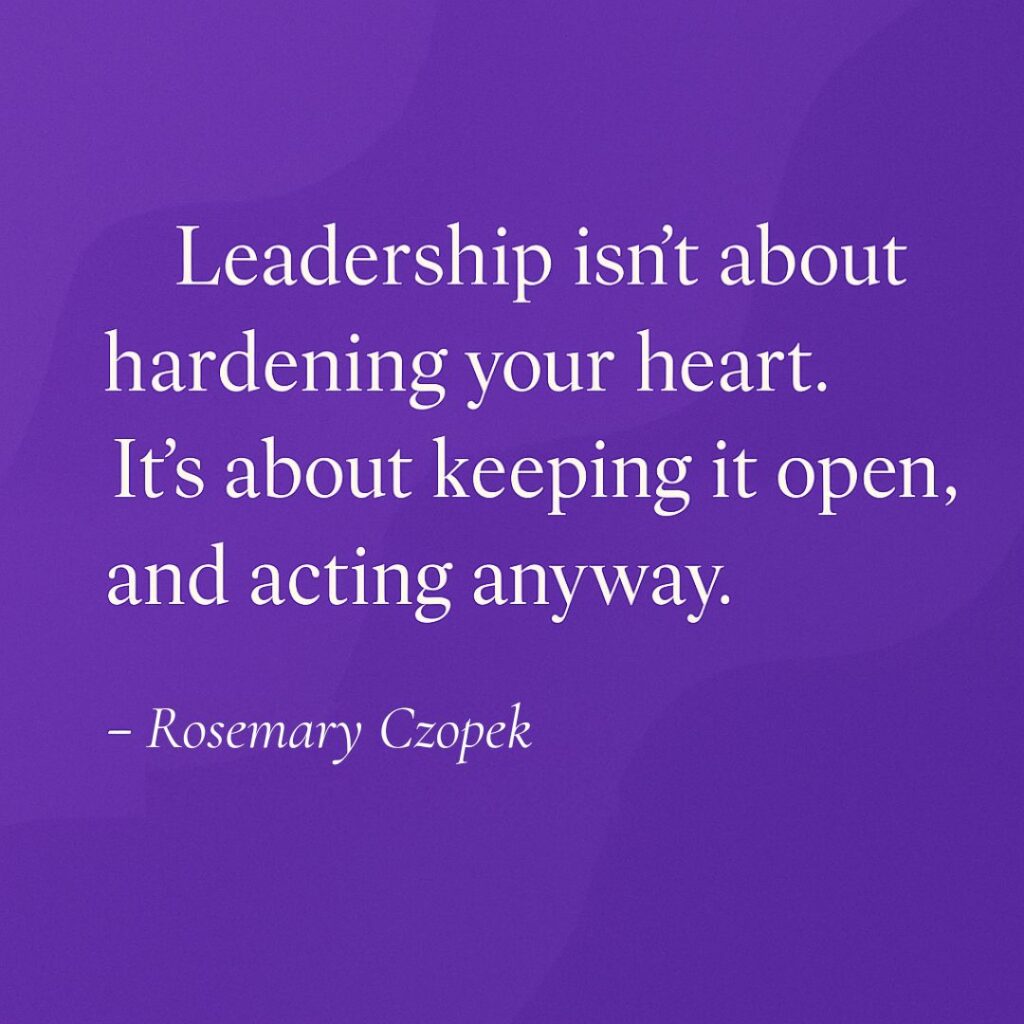
It took me years to learn that leadership isn’t about hardening your heart. It’s about keeping it open and acting anyway.
You Might also like
-
Freedom Doesn’t Come From Growth Alone
Most entrepreneurs start a business for two reasons: they want to do something better, and they want freedom. We build, we push forward, and eventually, we fix the problem. But freedom? That’s harder to reach.
We get caught in the fixing, and we convince ourselves that only if we grow, freedom will come. It took me time, and a few detours, to figure out how to build a business that doesn’t just work, but that works without me in every detail.
Now I focus less on fixing everything and more on building teams that run without me. Because freedom doesn’t come from growth alone. Freedom comes from clarity, structure, and a team that can move the business forward without me.
If you’re stuck in the fixing, maybe it’s time to design a business that frees you, not just feeds you.
Post Views: 539 -
New episode of The Hiring Conversation is out!
EP 05: How To Build a High Trust Remote Team as a Founder With Felena Hanson
This week I sit down with Felena Hanson, Founder of Hera Hub, to talk about what founders often get wrong about remote leadership.
We unpack:
– Why trust is not a personality trait, it’s a design decision
– The difference between accountability and control
– How to create connection without micromanaging
– What high-performing remote teams actually need from their founder
One of my favorite takeaways:
High trust doesn’t mean “hands off.”
It means clear expectations, strong communication rhythms, and real ownership.
If you’re building remotely (or thinking about it), this conversation will challenge how you define leadership.
🎧 Listen now on Spotify, Apple Podcasts, or wherever you stream.
And let me know what’s been the hardest part of leading remotely for you?
Post Views: 54 -
Women Lead Differently And It’s Time We Talk About It
A couple of weeks ago, I announced that I’m relaunching my podcast—this time focusing on female entrepreneurs: how they lead, how they grow their teams, and how they build businesses that last. Because I truly believe that we women lead differently.
This week, I finally sat down with Merlijn Mazairac to record the first episode, and I left feeling absolutely energized. From the start of our conversation, the connection was there. She spoke with such openness about living abroad, building her consulting company, and leading her team through growth and change.
Here are three ideas from her leadership journey that inspired me most:
1️⃣ Colleagues sitting side by side for years without really knowing each other. Merlijn has seen it happen, and now uses intentional exercises to help people open up and truly connect.
2️⃣ Team fails are leadership lessons. She reminded me that struggles, mismatched hires, disconnection, and even tough exits all carry value. Talking about them openly makes us better leaders—and helps others avoid the same mistakes.
3️⃣ Salary conversations in times of inflation. She doesn’t shy away from the tough talks—the ones that test not just your budget, but your leadership itself.For me, this first recording is about growing as a leader by listening to the honest stories of others. I’m deeply grateful to Merlijn for sharing her journey so openly—and excited for all the conversations ahead.
Post Views: 374