I’ve never posted much here, and definitely not personally.Yet I think it’s time I share why I’m doing what I’m doing.I believe it’s relevant to many other business owners around me. For years, I outsourced work to the Philippines.The numbers add up but it never feels quite right when a team member has to work a night shift while I enjoy the light of the day.
I remember one call in particular: It was late afternoon my time and the middle of the night for her.She showed up to our call knowing that her kids would soon wake up, expecting a happy, well rested mom…
And I felt my discomfort.
She was sacrificing the quality of her family life while I was growing my business.Is this what work-life balance and team health are supposed to feel like? We say we care about work-life balance. About being values-driven. About team health. But when our business depends on someone else working shifts we would refuse, I struggle to look myself in the mirror. Aren’t we quietly lying to ourselves?I didn’t like asking that question because for a long time, I didn’t have a better solution.
Until a few years ago, when I flew to Buenos Aires for an EO conference, not expecting much. But something clicked and I realised I might have found a better way:
US-aligned time zones.
Cultural chemistry I hadn’t felt elsewhere.
I tested a few placements for my office supply business. It worked better than I expected.
So I built a team.
And now I’ve built a company around it. Staff4Half didn’t start as a business plan. It started as a gut check. I believe there’s a better way to build a company. If you’ve wrestled with this too, I’d love to hear your take.
———————-
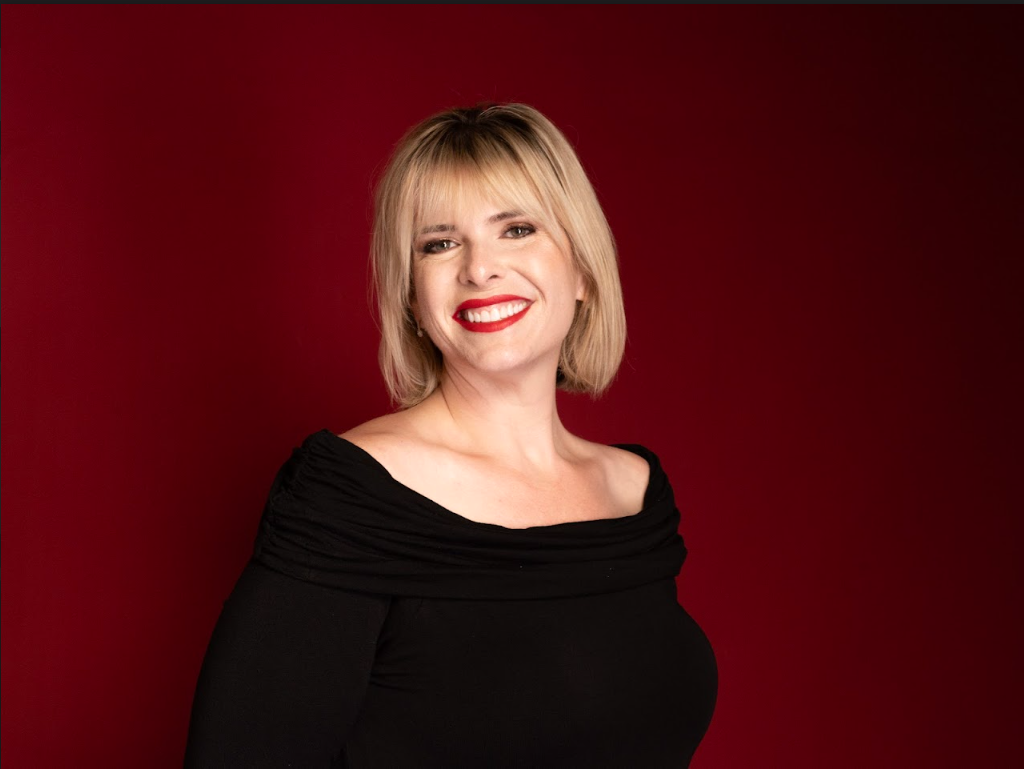
Hi, I’m Rosemary. In the past 15 years, I’ve built three businesses in the US, Puerto Rico, and Argentina.
If you believe in leading with trust and building with heart, I invite you to follow me and connect with a community of founders building together.
Listen to Rosemary and Melissa discuss about the challenges women face when they decide to be entrepreneurs. Also, about how are women in terms of equality in entrepreneurship and labor force.
I learned more about my business while flying to Panama than I do on most workdays.
Not from dashboards. Not from meetings.
But from stepping away and watching what happened next.
One of the quiet measures of a healthy business is what happens when the founder steps away.
Not the highlight reel. Not the revenue numbers.
But whether the wheels keep turning without constant intervention.
I was in Panama recently, and stepping away made this impossible to ignore. Travel has a way of revealing the truth. When you unplug, gaps show up quickly. Decisions stall. Questions pile up. Or… everything keeps moving.
The difference is rarely talent. It’s structure.
Strong teams don’t need to be micromanaged. They need clarity, trust, and systems that allow good decisions to happen without waiting for permission.
Building that kind of business takes intention. You design for absence, not heroics.
Because freedom isn’t something you take once the business is “done.” It’s something you build into the model from the start.
If your business can’t run without you, that’s not a leadership failure. It’s simply a signal.
And signals are useful, if you’re willing to listen.
EP 05: How To Build a High Trust Remote Team as a Founder With Felena Hanson
This week I sit down with Felena Hanson, Founder of Hera Hub, to talk about what founders often get wrong about remote leadership.
We unpack:
– Why trust is not a personality trait, it’s a design decision – The difference between accountability and control – How to create connection without micromanaging – What high-performing remote teams actually need from their founder
One of my favorite takeaways: High trust doesn’t mean “hands off.” It means clear expectations, strong communication rhythms, and real ownership.
If you’re building remotely (or thinking about it), this conversation will challenge how you define leadership.
🎧 Listen now on Spotify, Apple Podcasts, or wherever you stream.
And let me know what’s been the hardest part of leading remotely for you?

 Please follow and like us:
 Please follow and like us: