Podcast

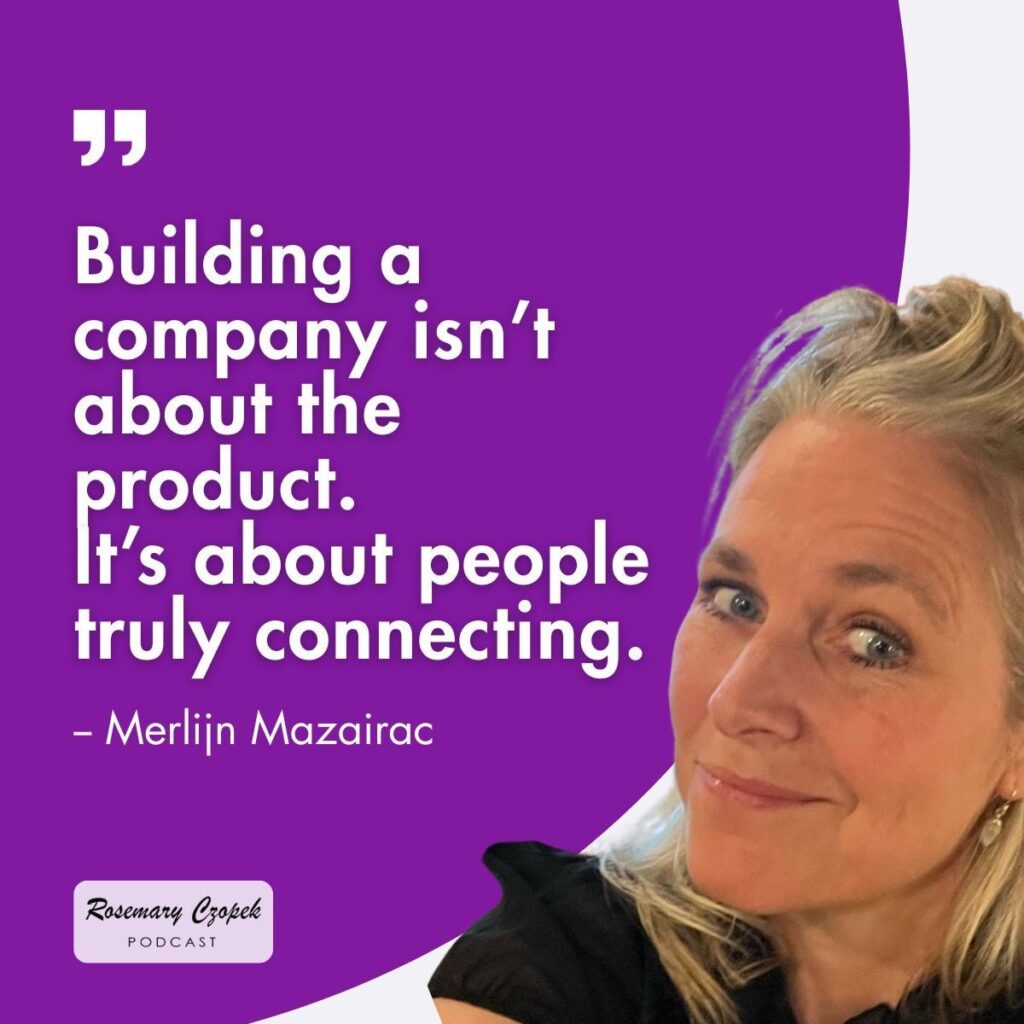
When the System Forgets Entrepreneurs: Rethinking Employment in America

I didn’t start a company to be told which chair to buy, how many minutes a lunch break has to be, or whether my break room snacks meet code. I started it because I believed in building something better, and I wanted a team to build it with.

But what I’ve learned over 13 years as a California employer is this: the system doesn’t trust employers to care about their people. It assumes we’re out to exploit, and it assumes compliance creates care. So it piles on rule after rule, not realizing that the weight of all this regulation doesn’t protect good people—instead, I believe it crushes the ones who are trying to be good people.

As a female entrepreneur, I’ve always wanted to give my team the best. Yet I’ve spent more time worrying about lunch break laws than about how to help my people grow. To me, that’s not what leadership is supposed to look like.

Because I believe the best entrepreneurs do care. We remember birthdays. We pull all-nighters. We put payroll before profit. Not because a rulebook told us to, but because that’s who we entrepreneurs are. But somewhere along the way, the system forgot that.

It breaks my heart that the system stifles the very people who build businesses. And I believe that by doing this, we’re not protecting workers—we’re shrinking futures. More and more founders I know are looking abroad, not for cheaper labor, but for the freedom to lead well again.

And that should worry us all. Because when the American dream becomes unlivable for its dreamers, the dream doesn’t die—it just moves to another country.

Please follow and like us:

Delegation Done Right: Ethical Outsourcing That Changes Lives

Kande used to work late nights folding jeans. Now she manages vendor emails for a U.S.-based client, and I’m not sure who’s happier—her or me. It’s stories like these that remind me every day that this isn’t just staffing:

It’s giving people a life they deserve.

I started outsourcing to Argentina to find more reliable help without breaking the bank. I needed support for my U.S. business, and Argentina offered:

  • Bilingual talent
  • Time-zone alignment
  • Cultural proximity

At the time, I only saw these three benefits. What I didn’t realize was the positive impact we could have on a hire in Argentina, and that’s what turned this into something bigger for me. Because what keeps me going isn’t the cost savings—it’s watching lives shift on both sides of the hire.

The story of Kande stands out to me. Before we worked together, she was in retail, working late shifts, enduring long commutes, and earning a paycheck that barely covered her bills. There were nights she even skipped meals just to save a few pesos. Then we placed her with a U.S.-based client: a remote role, an aligned time zone, and triple the pay. Everything changed.

She’s still working hard, but now she’s home when her kids are. She’s saving money for the first time and building confidence. She’s showing up energized and being seen for what she can do. That’s the part that never gets old for me.

I believe that when delegation is done right, everyone wins. This is ethical business.

 
Please follow and like us:

The Hiring Conversation: Building Teams with Heart

Some ideas arrive fully formed.
But others take years to find their place. For me, building companies has always been more than just building products or services. It’s about the people: 

The ones we hire, 
The ones we grow with, and sometimes 
The ones we have to let go. 


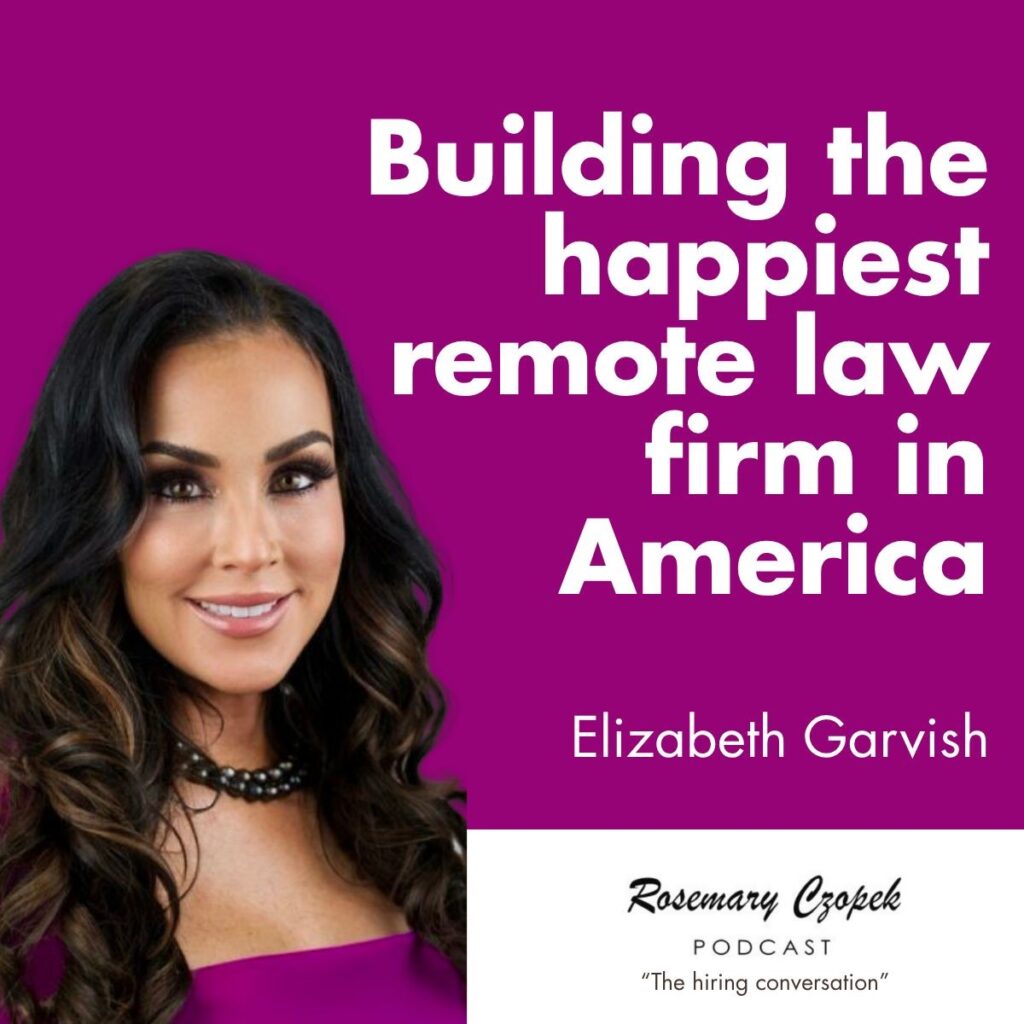
Over the years, I’ve come to embrace that people component more and more. Leadership without people at heart is nothing. That’s why I’m bringing back The Rosemary Czopek Podcast with a new season called ‘The Hiring Conversation’. I want this to be a place for candid, open talks with (women) founders about what it really takes to build great teams from people:How do they hire? 
How do they lead? 

  • And how do they build teams that last? 

We’ll talk about what worked, and most importantly, what didn’t. Because it’s the failures that teach us the most. Learning from those who’ve been there and are willing to share their experiences has always been the most effective for me. And that’s what I want this new season to be:

A place for mutual learning.

Please follow and like us:

For a long time, I turned a blind eye to this…

I’ve never posted much here, and definitely not personally.Yet I think it’s time I share why I’m doing what I’m doing.I believe it’s relevant to many other business owners around me. For years, I outsourced work to the Philippines.The numbers add up but it never feels quite right when a team member has to work a night shift while I enjoy the light of the day. 

I remember one call in particular: It was late afternoon my time and the middle of the night for her.She showed up to our call knowing that her kids would soon wake up, expecting a happy, well rested mom…

And I felt my discomfort.

She was sacrificing the quality of her family life while I was growing my business.Is this what work-life balance and team health are supposed to feel like? We say we care about work-life balance. About being values-driven. About team health. But when our business depends on someone else working shifts we would refuse, I struggle to look myself in the mirror. Aren’t we quietly lying to ourselves?I didn’t like asking that question because for a long time, I didn’t have a better solution.

Until a few years ago, when I flew to Buenos Aires for an EO conference, not expecting much. But something clicked and I realised I might have found a better way:

  • US-aligned time zones.
  • Cultural chemistry I hadn’t felt elsewhere.

I tested a few placements for my office supply business. It worked better than I expected.

So I built a team.

And now I’ve built a company around it. Staff4Half didn’t start as a business plan. It started as a gut check. I believe there’s a better way to build a company. If you’ve wrestled with this too, I’d love to hear your take.

———————-

Hi, I’m Rosemary. In the past 15 years, I’ve built three businesses in the US, Puerto Rico, and Argentina.

If you believe in leading with trust and building with heart, I invite you to follow me and connect with a community of founders building together.

Please follow and like us:

Ep 08: Business Certificates

Check out this episode!

Please follow and like us:

Ep 07: Women Entrepreneur Challenges

Listen to Rosemary and Melissa discuss about the challenges women face when they decide to be entrepreneurs. Also, about how are women in terms of equality in entrepreneurship and labor force.

Check out this episode!

Please follow and like us:

Episode 6 – Starting your own business

Listen to Rosemary talk about her experience starting her company Gorilla Stationers and what helped her to keep the track until where she is now.

Check out this episode!

Please follow and like us:

Episode 4 – Capability Statements

Check out this episode!

Please follow and like us:

Episode 03 – Contracting Opportunities within California state

Episodio 3 - Oportunidades de contrataciones dentro del Estado de California

Rosemary: Hola a todos, este es nuestro tercer episodio de podcast y estamos bastante emocionadas y agradecidas con todos ustedes que nos escuchan. Este día quiero hablar un poco sobre otras oportunidades que ofrece el estado de California. Recibimos algunas preguntas sobre qué es una agencia estatal y cómo se diferencia de una agencia de una ciudad o municipalidad, y cómo puedo hacer negocios en mi localidad.

Hoy hablaremos un poco de las diferencias entre las organizaciones estatales y las municipales, gobiernos del condado y escuelas. Todos ellos ofrecen diferentes tipos de contratos.

En el episodio anterior hablamos sobre cómo obtener un certificado de pequeño negocio en California. Hoy hablaremos de otro tipo de certificados y sobre si esas certificaciones sirven para aplicar a contratos con otras agencias. La respuesta corta es: el certificado de California para pequeños negocios si tiene reciprocidad con otras agencias dentro del estado, pero muchas veces diferentes agencias en diferentes ciudades dentro del estado tienen otros requisitos.

Así que, si tienes interés de trabajar con tu ciudad local, como San Francisco o Sacramento, solo tienes que revisar el sitio web de la agencia con que deseas trabajar, buscar la opción de “Small Business” y encontrarás información sobre oportunidades de contratación. Sin embargo, solo porque te has registrado como pequeño negocio o que tienes un negocio con alguna desventaja (este factor suele ser ventajoso para los negocios), no significa que la agencia te vaya a llamar o te busque directamente. Necesitas ser proactivo y buscar estas oportunidades por ti mismo.

Por ejemplo, si quisiera hacer negocios con la ciudad de Long Beach, iría al sitio web de la ciudad y revisaría qué contratos ofrece a negocios pequeños. Cuando te registres en estos sitios, te informarán de las oportunidades a las que puedes aplicar en la ciudad. Esto significa que, por ejemplo, Long Beach da 1% de ventaja sobre los negocios localizados en su área geográfica. Esta es una gran oportunidad para los negocios que ahí negocian con comodities.

Algunas ciudades son más grandes que otras. Por eso, cuando visitas el website, por ejemplo, de la ciudad de Long Beach y revisas el programa para negocios pequeños, veras que hay diferentes agencias ofreciendo contratos, así como el estado de California lo hace en su website. Por ejemplo, Long Beach tiene su propio departamento de Parques y Recreación, el puerto de Long Beach (que hace contratos separados de la ciudad). Por eso, definitivamente deberías visitar los sitios web de las ciudades con las que quisieras trabajar. 

Muchas de estas agencias en California se manejan bajo el presupuesto del FISCO, lo que significa que, como el FISCO usualmente inicia en el 1° de Julio y termina el 30 de Junio del siguiente año, veras en el website muchas oportunidades de diferentes agencias durante los meses de Abril y Mayo.

Por otro lado, podrías pensar: “nunca he aplicado a una licitación para la municipalidad o el estado”. Para informarte más, lo que puedes hacer es aplicar a un “FOIA act request” (más información: https://www.foia.gov/how-to.html) para recolectar documentación previa sobre las licitaciones que se han hecho anteriormente en la oferta de interés. Podrás ver que tan competitiva fue la licitación, detalles de la misma y qué empresas las ha ganado anteriormente. Esta información será útil para ti porque te darás cuenta que a veces los productores asignan precios especiales a los comodities que ofrecen a las municipalidades. Por ejemplo, 3M que se vende en diferentes lugares, puede asignar precios especiales para las ciudades y las escuelas. Así que sería bueno que hables con tus proveedores de productos y materia prima para ver si tienen este tipo de precios, así te vas familiarizando con este tipo de contrataciones y sabrás cómo participar de entrada.

Me he dado cuenta con la experiencia que cuando busco contratos, hay otros servicios de licitaciones además de FISCAL y BidSync, de los que hablé en el podcast pasado. Uno es Planetbids. Planetbids a veces administra licitaciones para ciertas agencias municipales. Así que, si estas registrado tanto con esta plataforma como con la agencia específica que requiere la licitación, el website te contactará cuando alguna oportunidad se presente. Pero definitivamente no te quedes esperando a que te contacten, no hay razón que te detenga para hablar con la agencia y ver qué se viene, cuales son las oportunidades porque puede que sea una micro compra, ellos no necesariamente van a levantar una licitación. Lo que harían es solamente levantar ofertas informales con un grupo de proveedores que tengan a la mano. Así que si te ayudaría ponerte a su alcance.

Algo que estas plataformas te pedirán será un Capability Statement, del cual hablaremos en nuestro siguiente episodio, cómo hacer uno y cómo debería lucir. Muchas de las agencias a las que apliques te pueden pedir el Capability Statement, y tendrás que asegurarte que esté a su alcance. Esto te ayudará a generar nuevos negocios.


Así como lo he dicho en episodios previos, definitivamente siéntanse libres de contactarnos si tienen preguntas sobre alguna agencia específica a la que quieran acercarse. O no estas seguro de cómo hacer negocios con tu localidad, pueden enviar sus preguntas a nuestro correo podcast@rosemaryczopek.com.

Episode 03 audio

Please follow and like us:
Scroll to top